海报拓扑:国际海报设计邀请展
TopoPoster: International Poster Design Exhibition
行业类型:
文化艺术
实践类型:策展
策展
展览概念设计
文本写作
视觉识别设计
艺术指导
展陈设计
网站规划与设计
社交媒体设计
编辑与书籍设计
SECTOR:
Arts & Culture
Arts & Culture
PRACTICE AREA:
Curating
Curating
Concept Direction
Design Writing
Visual Identity Design
Art Direction
Exhibition Design
Web Planning & Design
Social Media Design
Editorial & Book Design
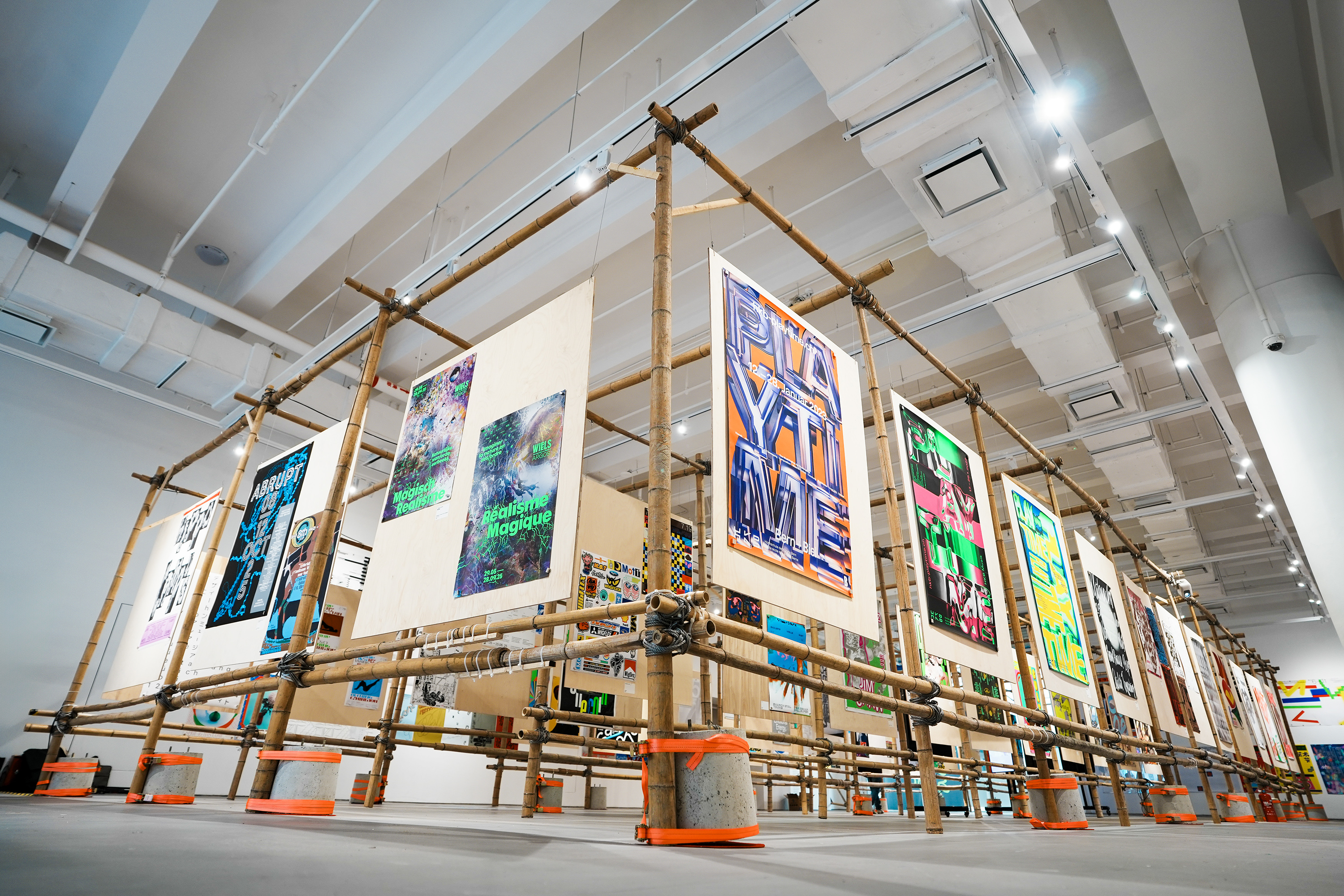
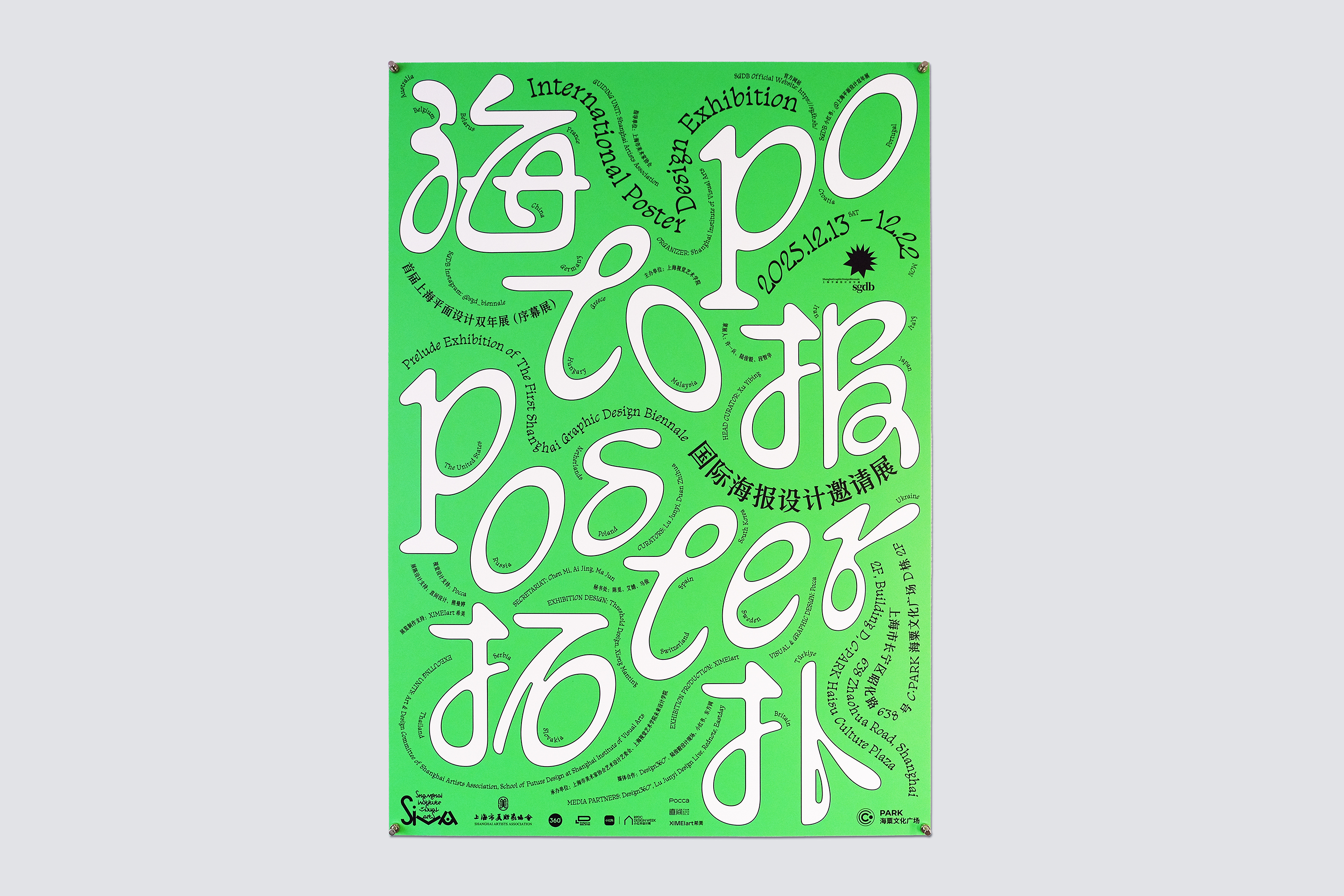
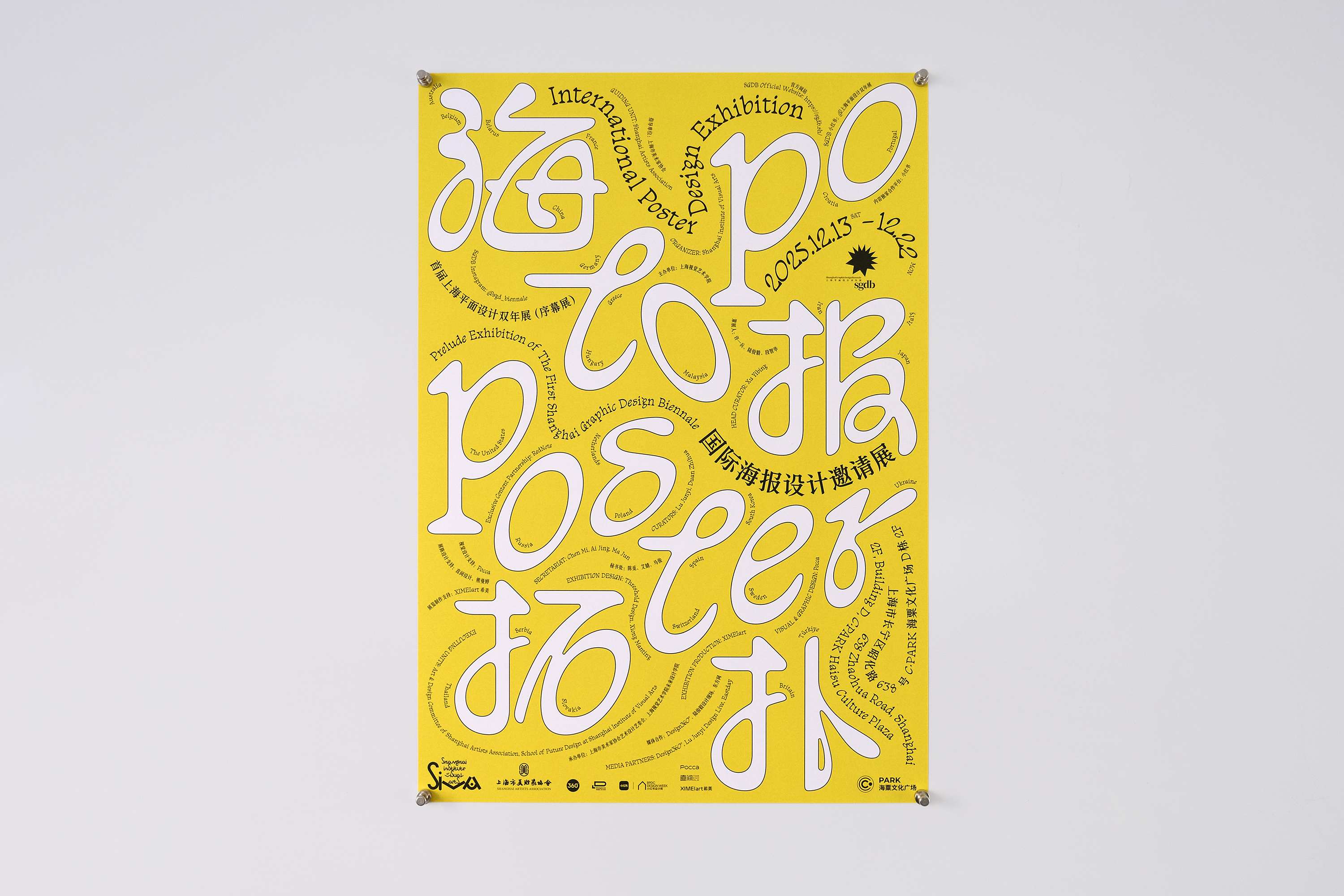
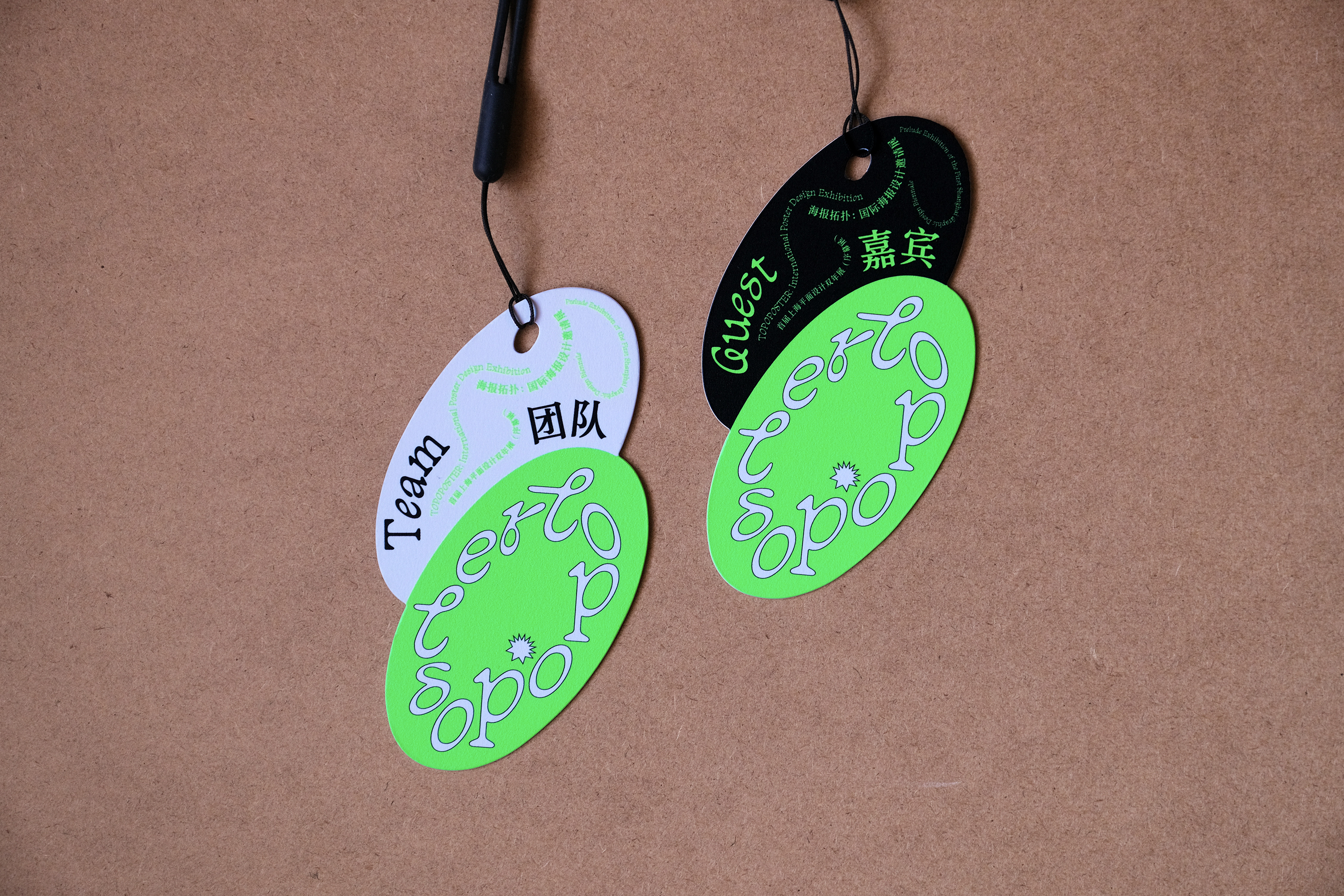
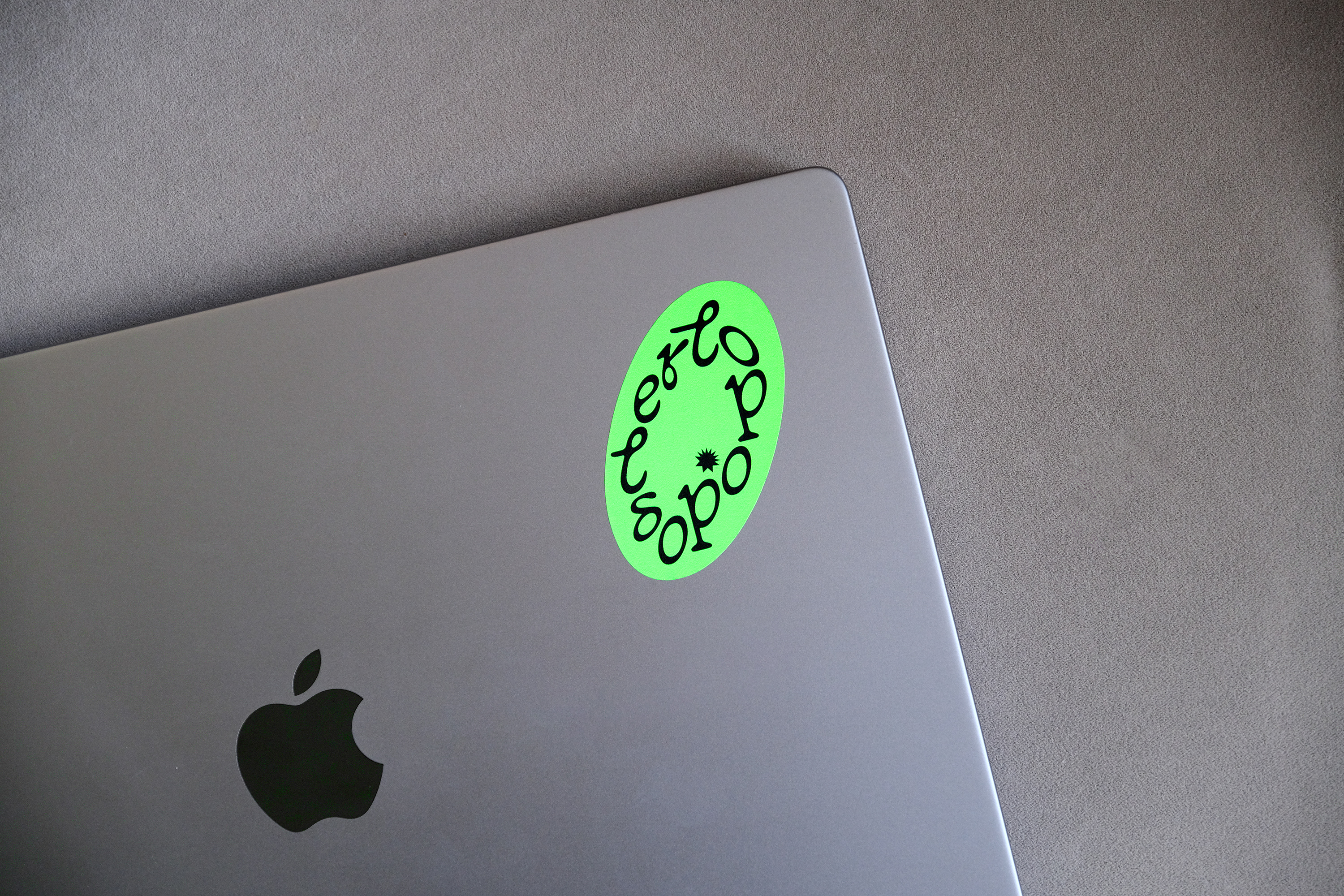
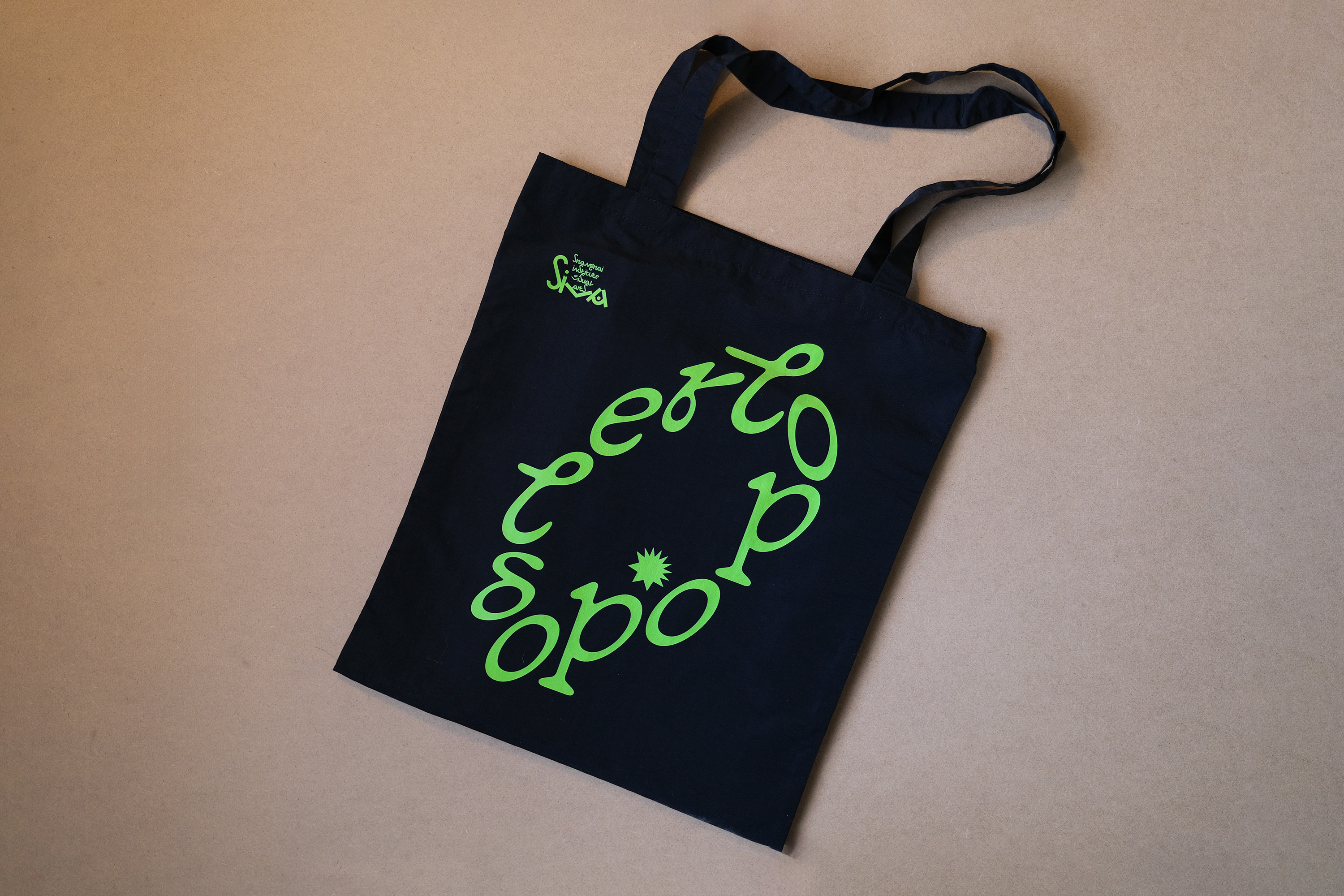
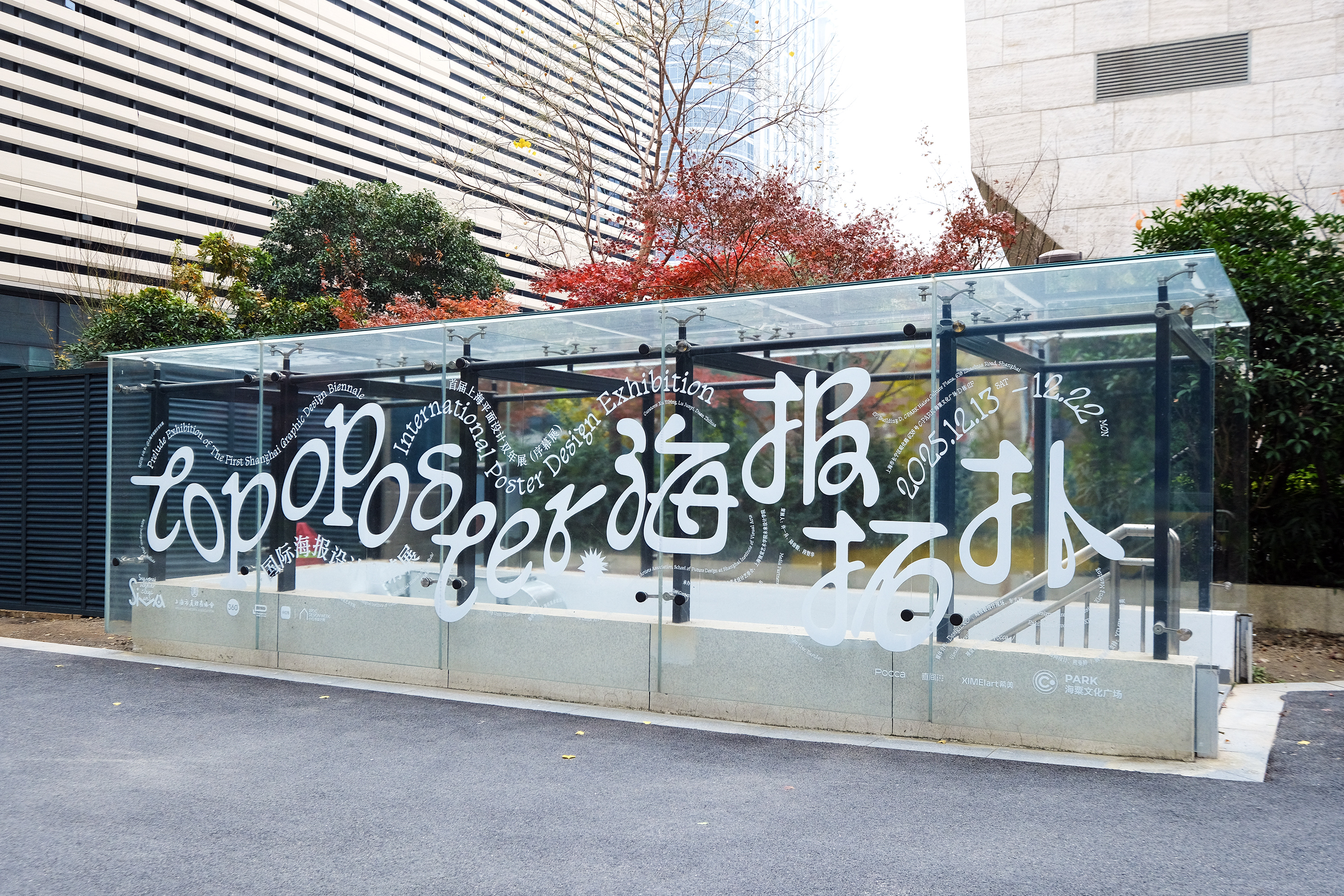
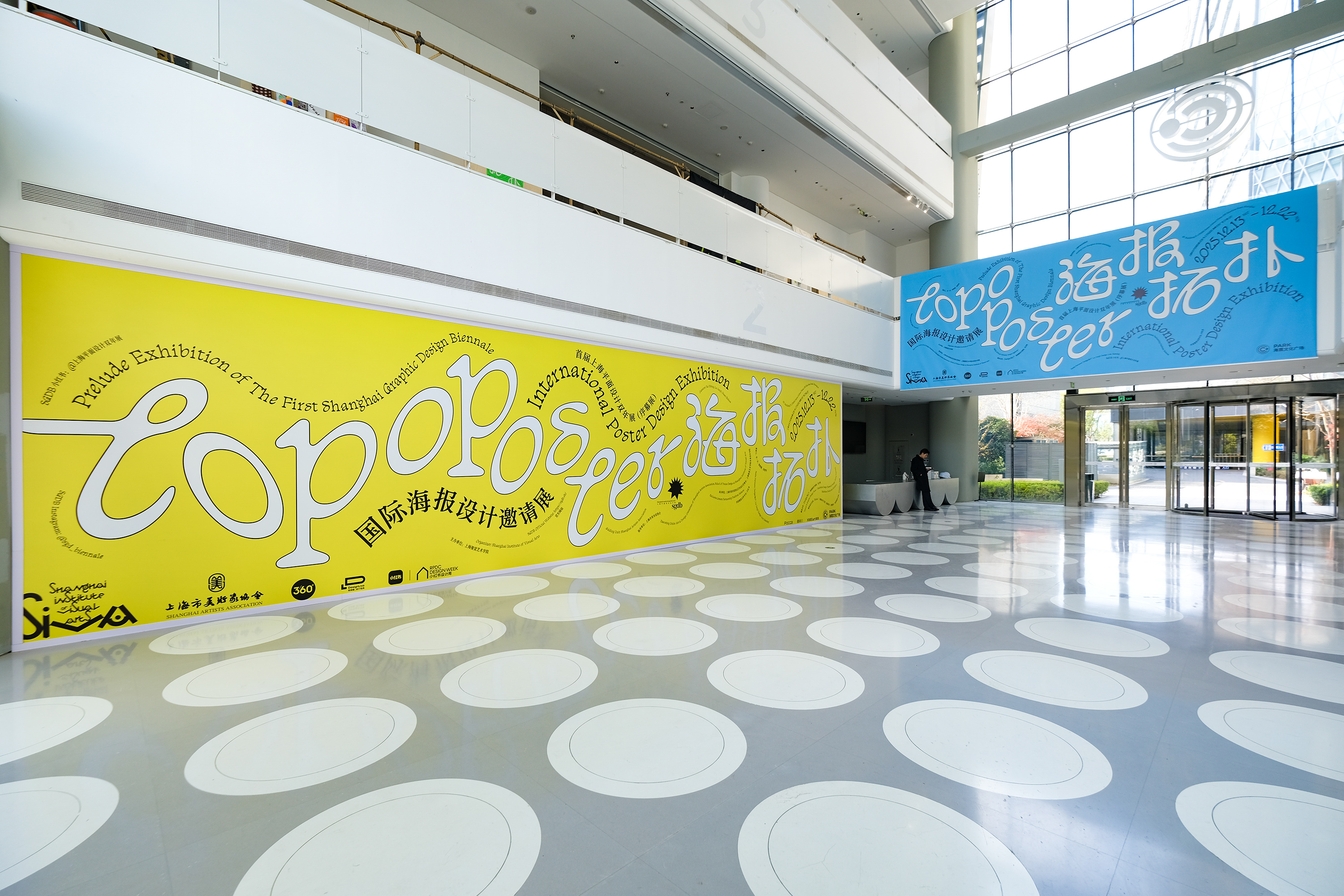
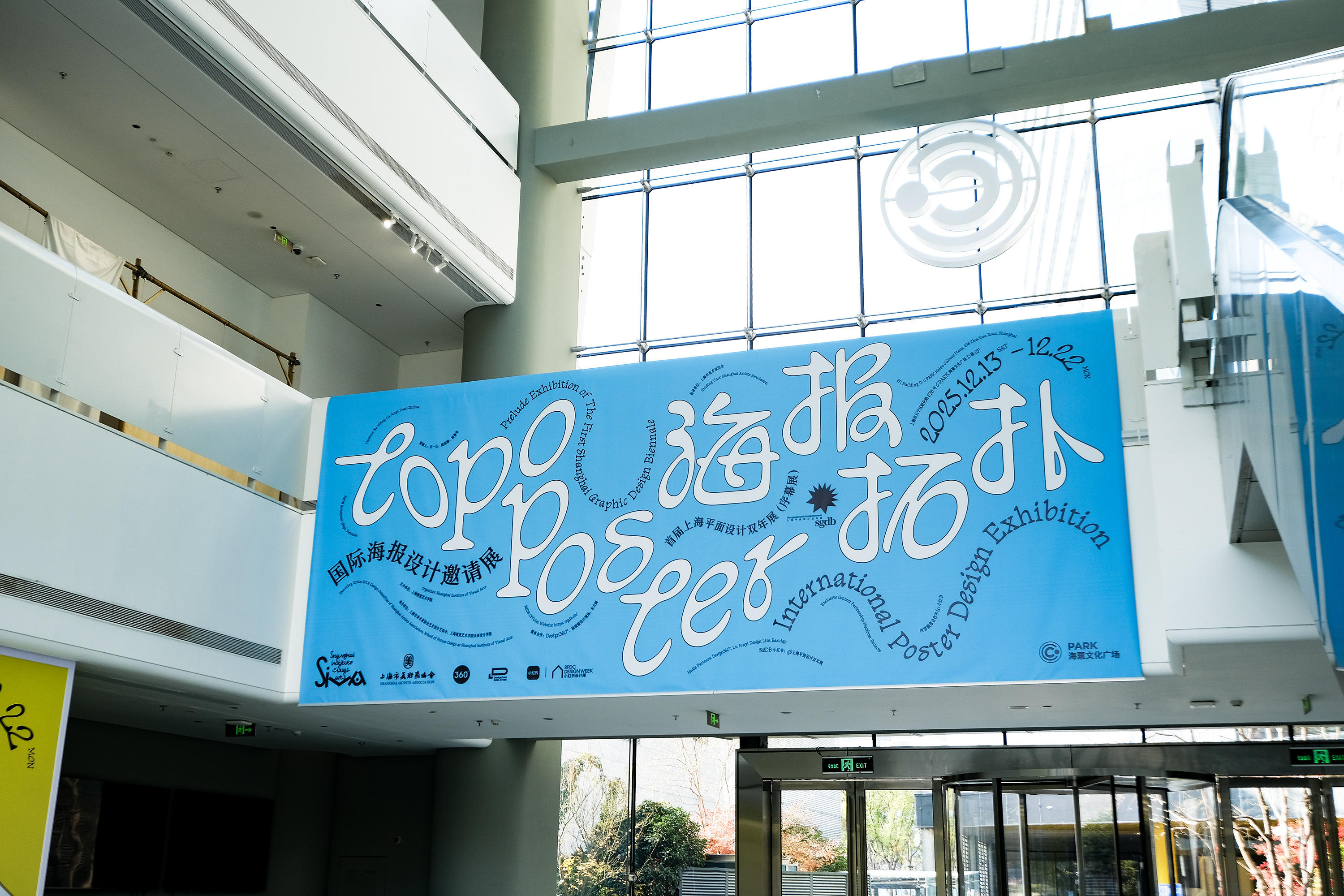
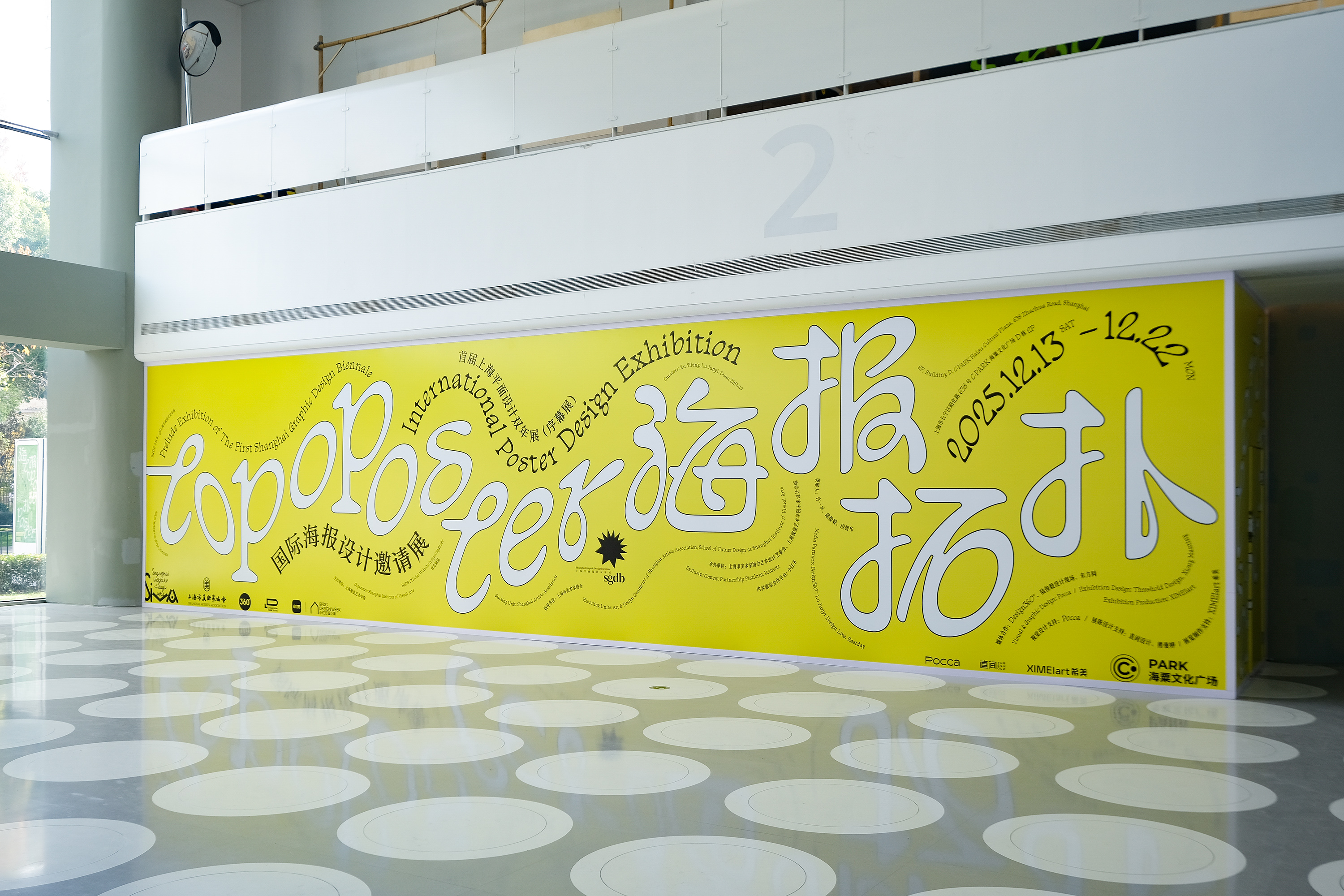
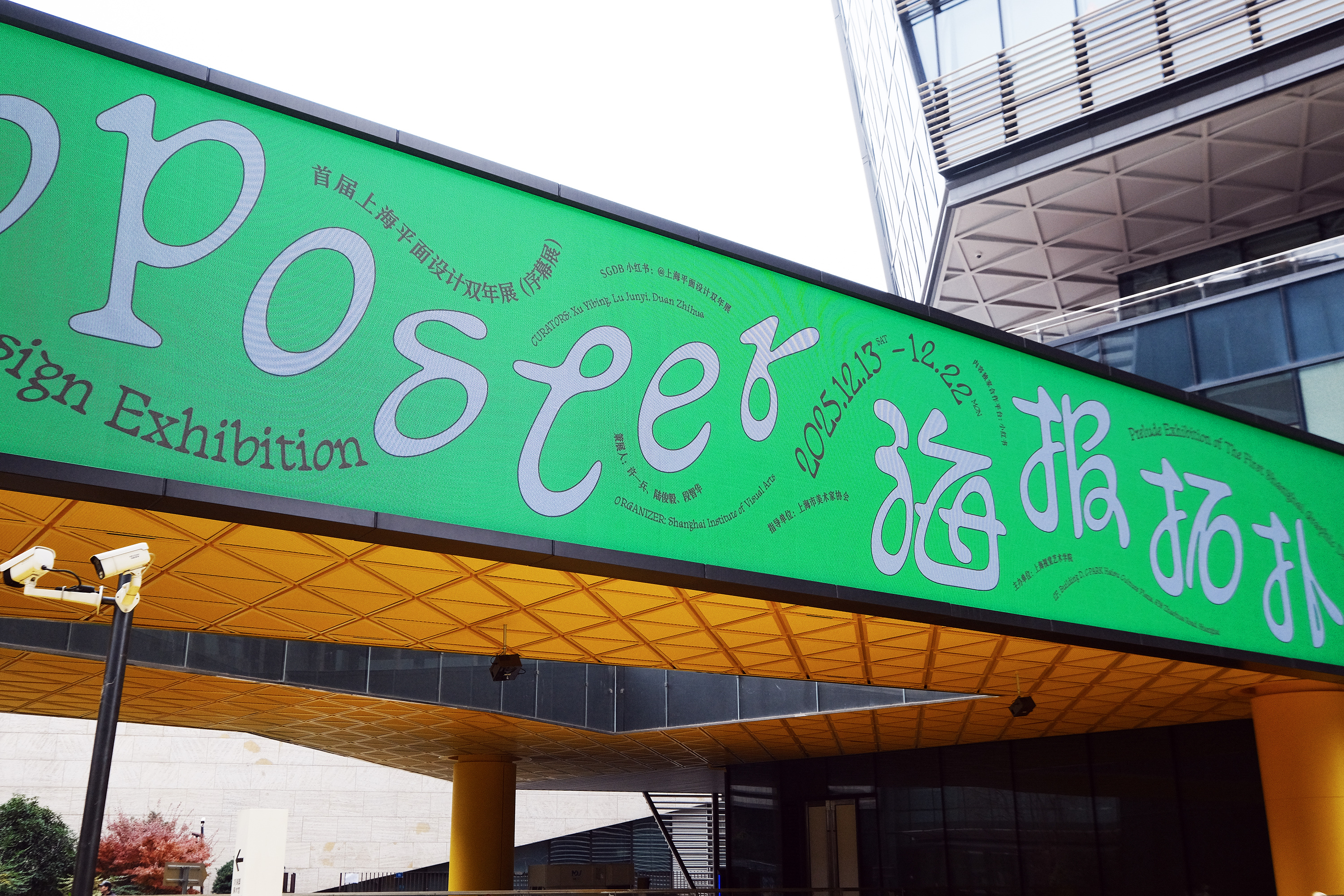
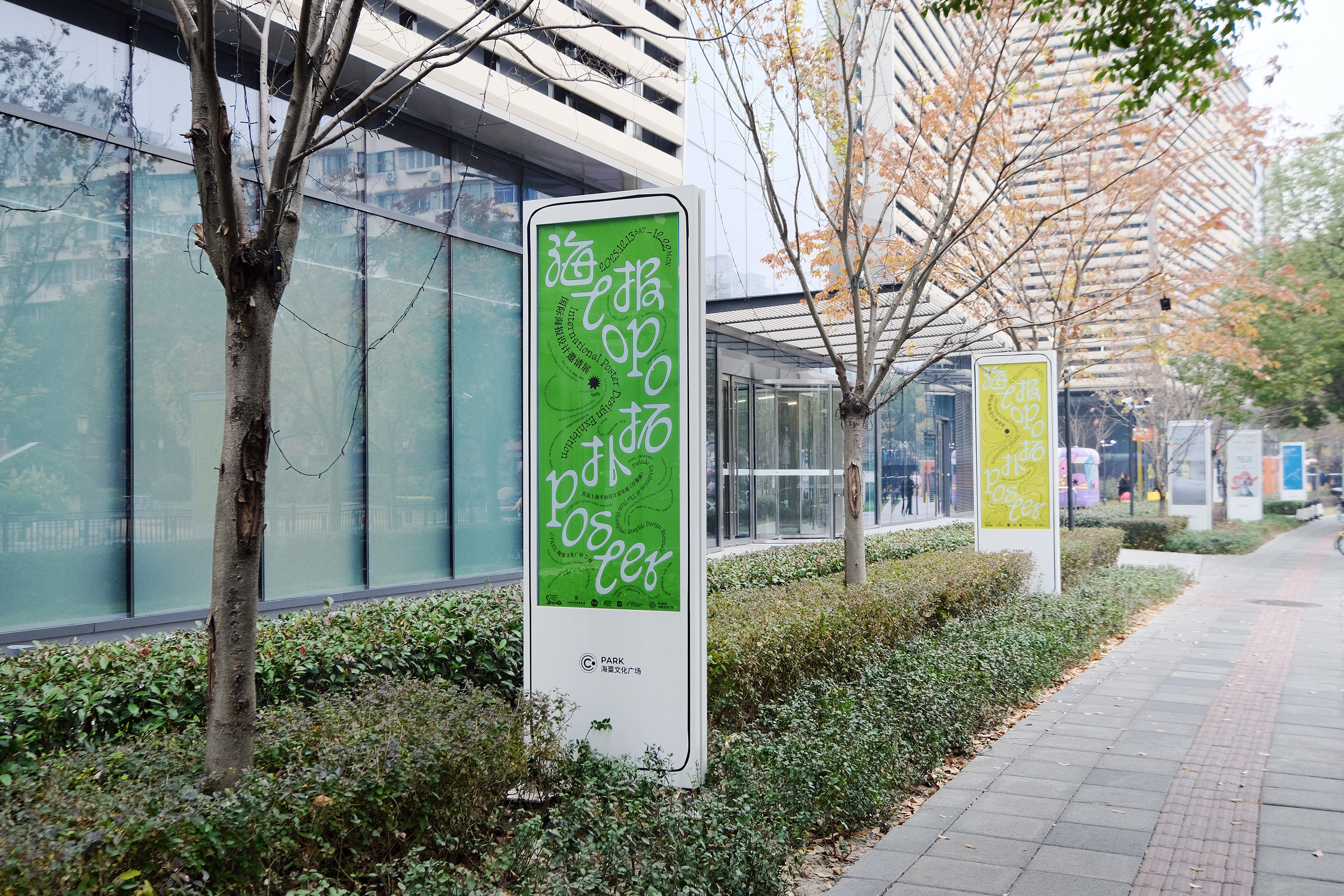
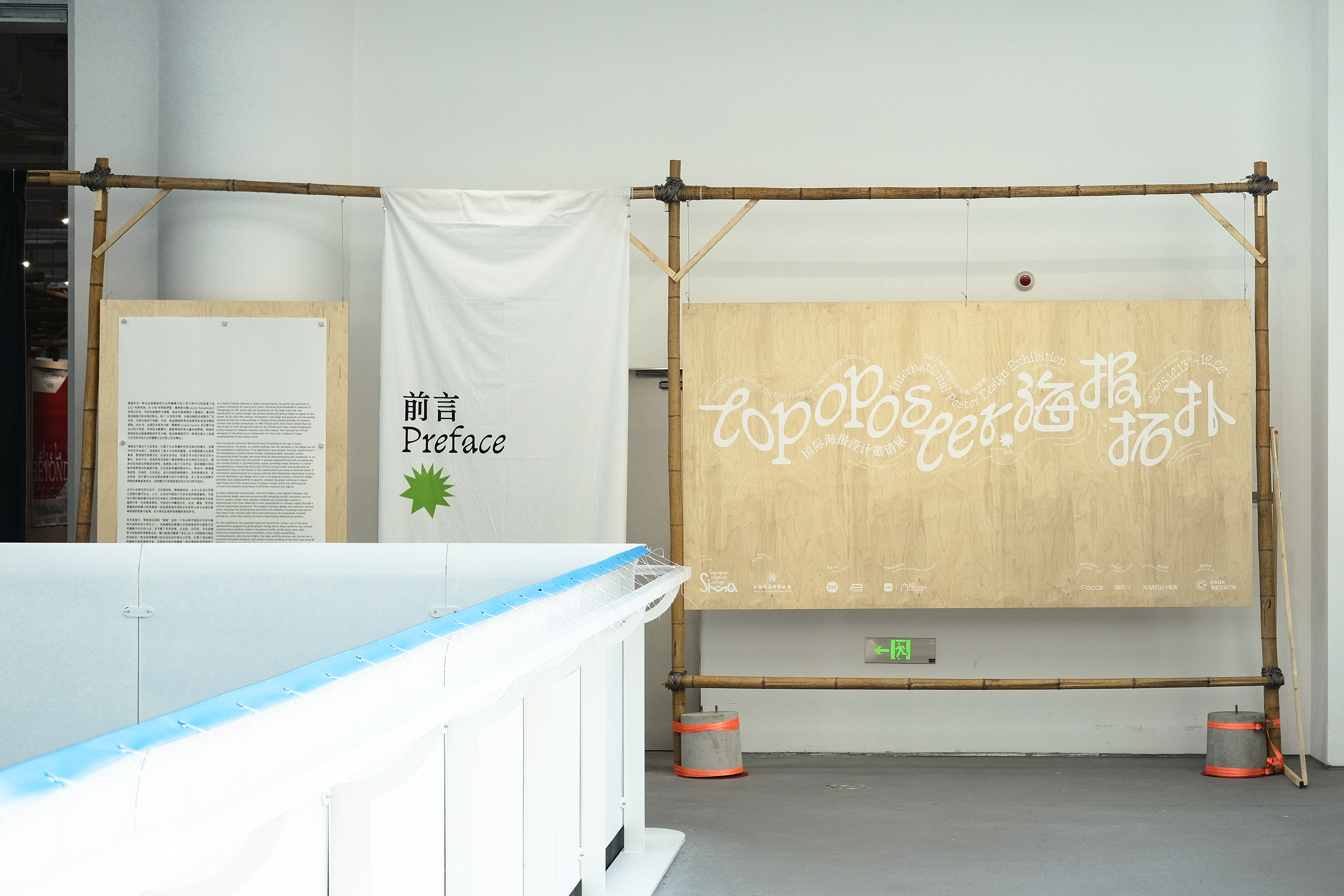
本次展览作为首届上海平面设计双年展序幕展单元,【TopoPoster 海报拓扑:国际海报设计邀请展】经过 6 个月的策划与筹备,于 2025 年 12 月 13 日至 12 月 22 日成功举办。此次展览由上海视觉艺术学院主办,由 Pocca 联合创办人及设计主理段智华和上海视觉艺术学院未来设计学院许一兵教授、资深设计媒体人陆俊毅先生共同作为上海平面设计双年展发起人及策展人共同策划。同时,Pocca 全面负责了展览的平面设计、动态设计、内容梳理、编辑设计、展览设计(与直间设计合作)、社交媒体设计与运营、网站设计、书籍设计等实践板块。
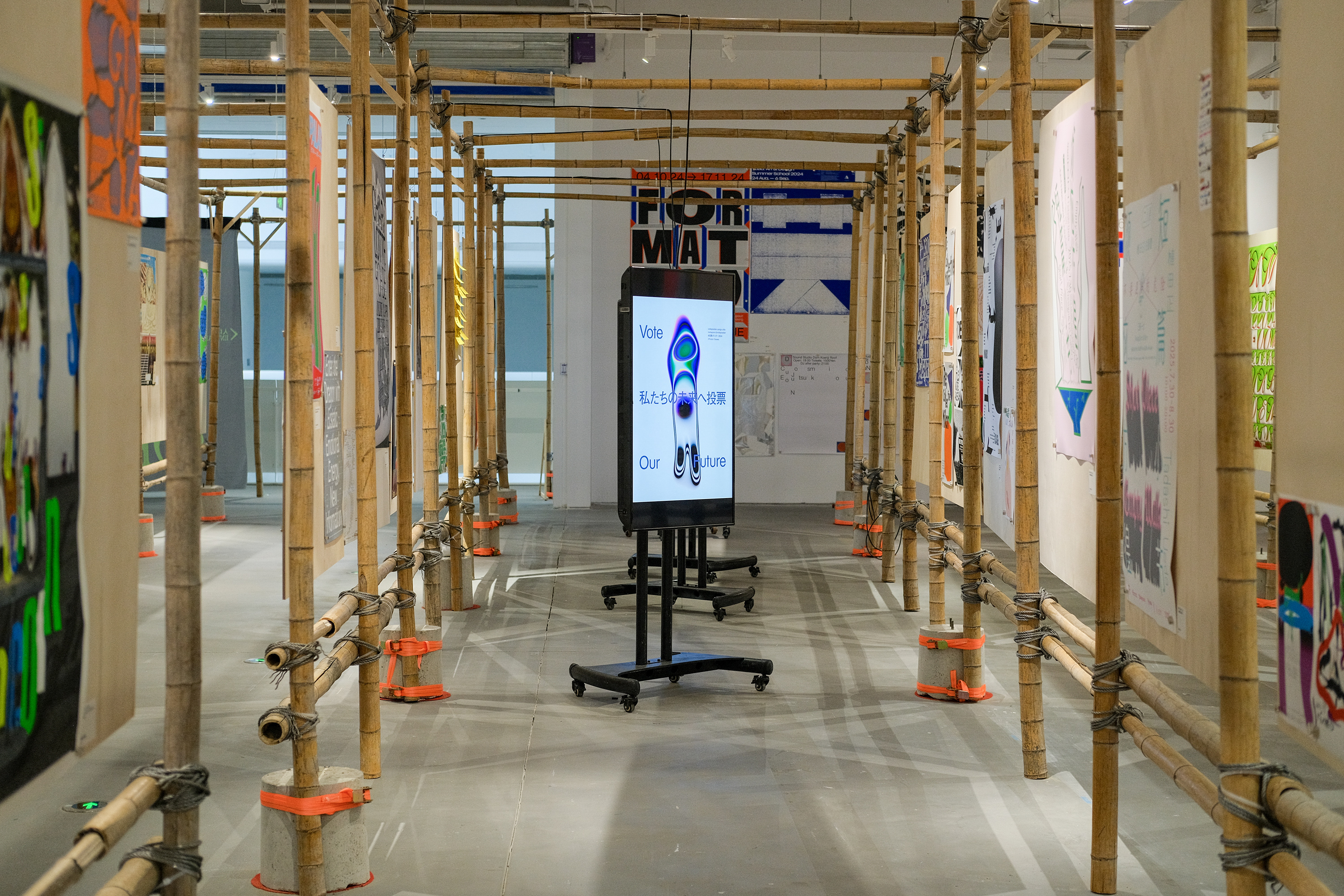
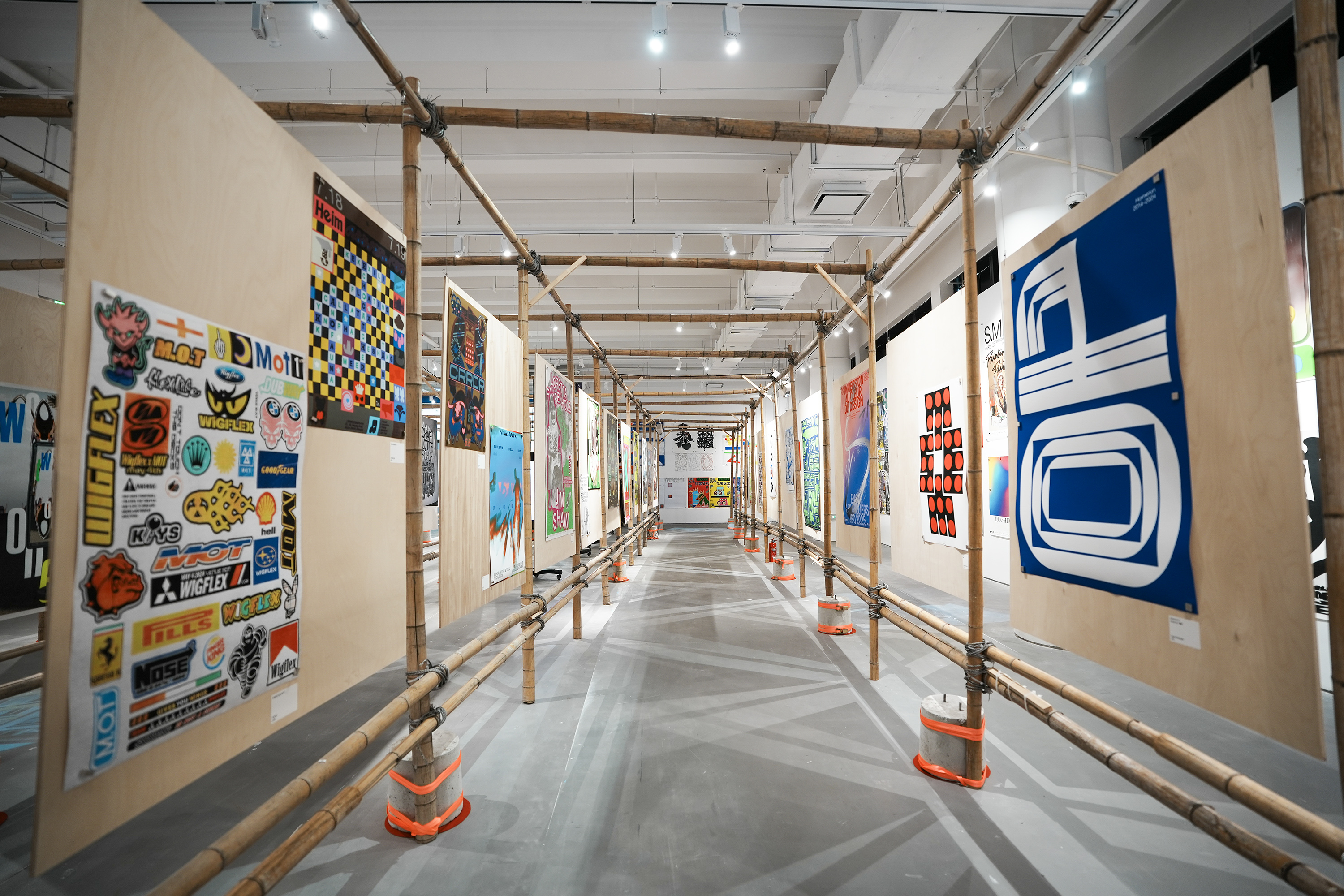
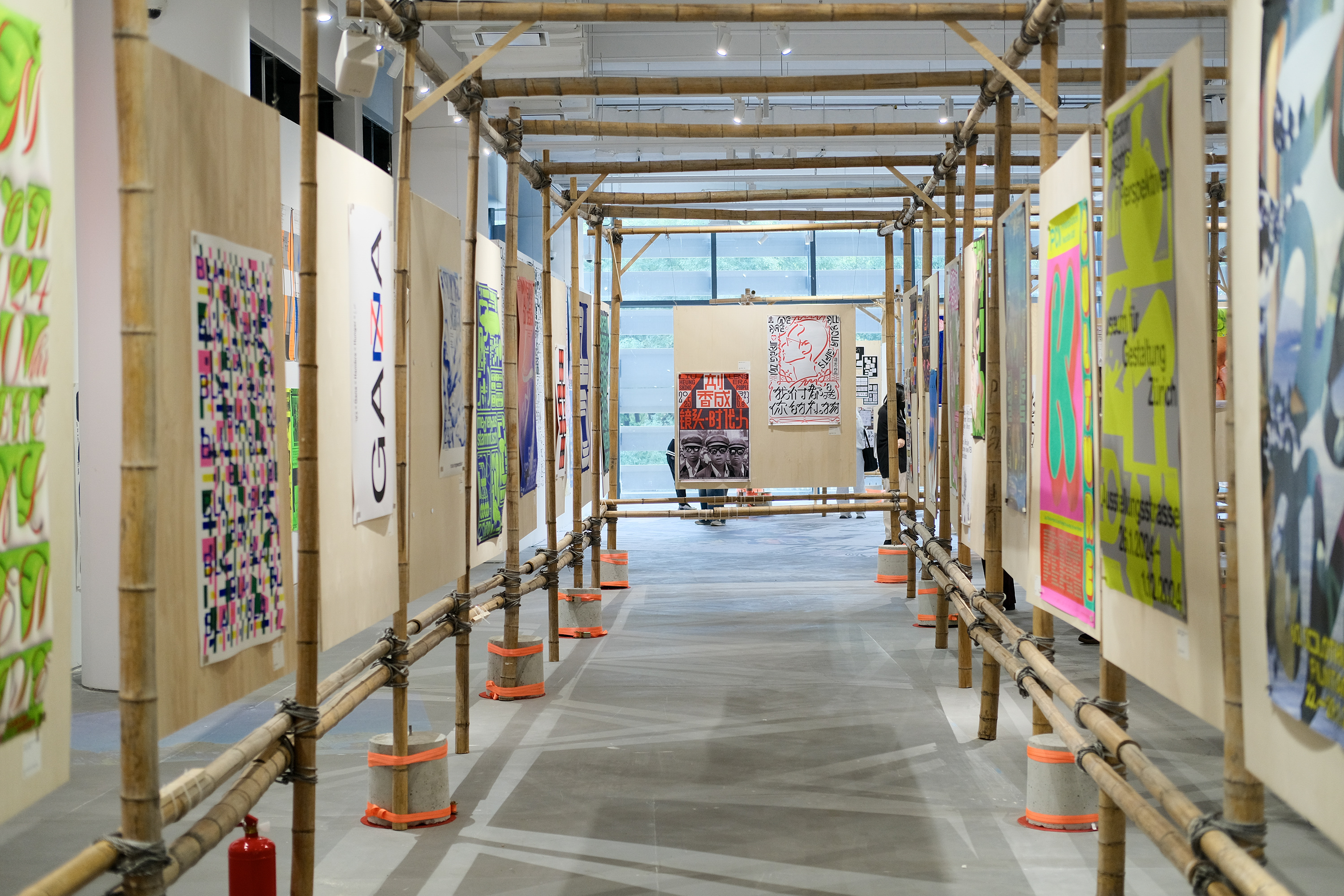
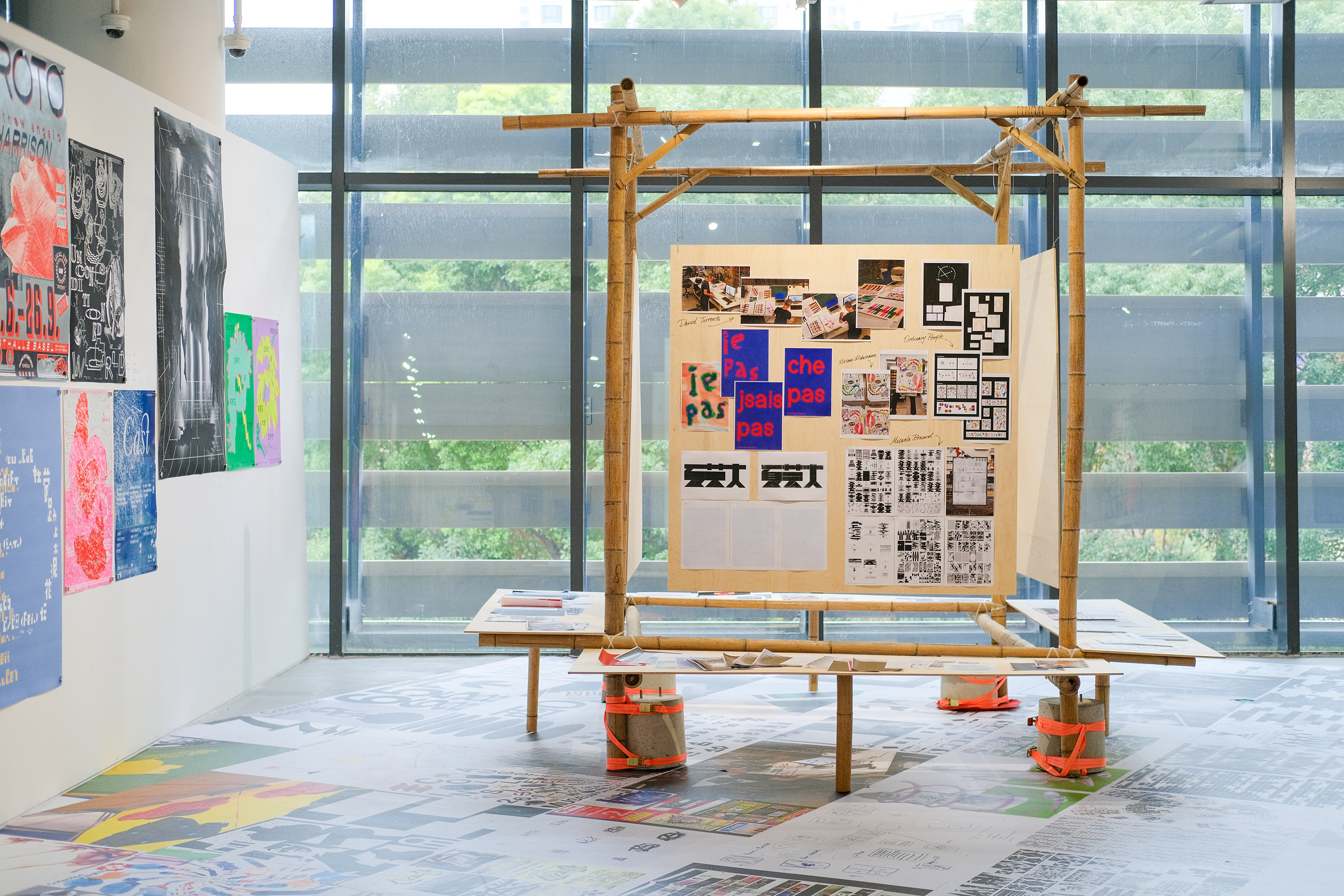
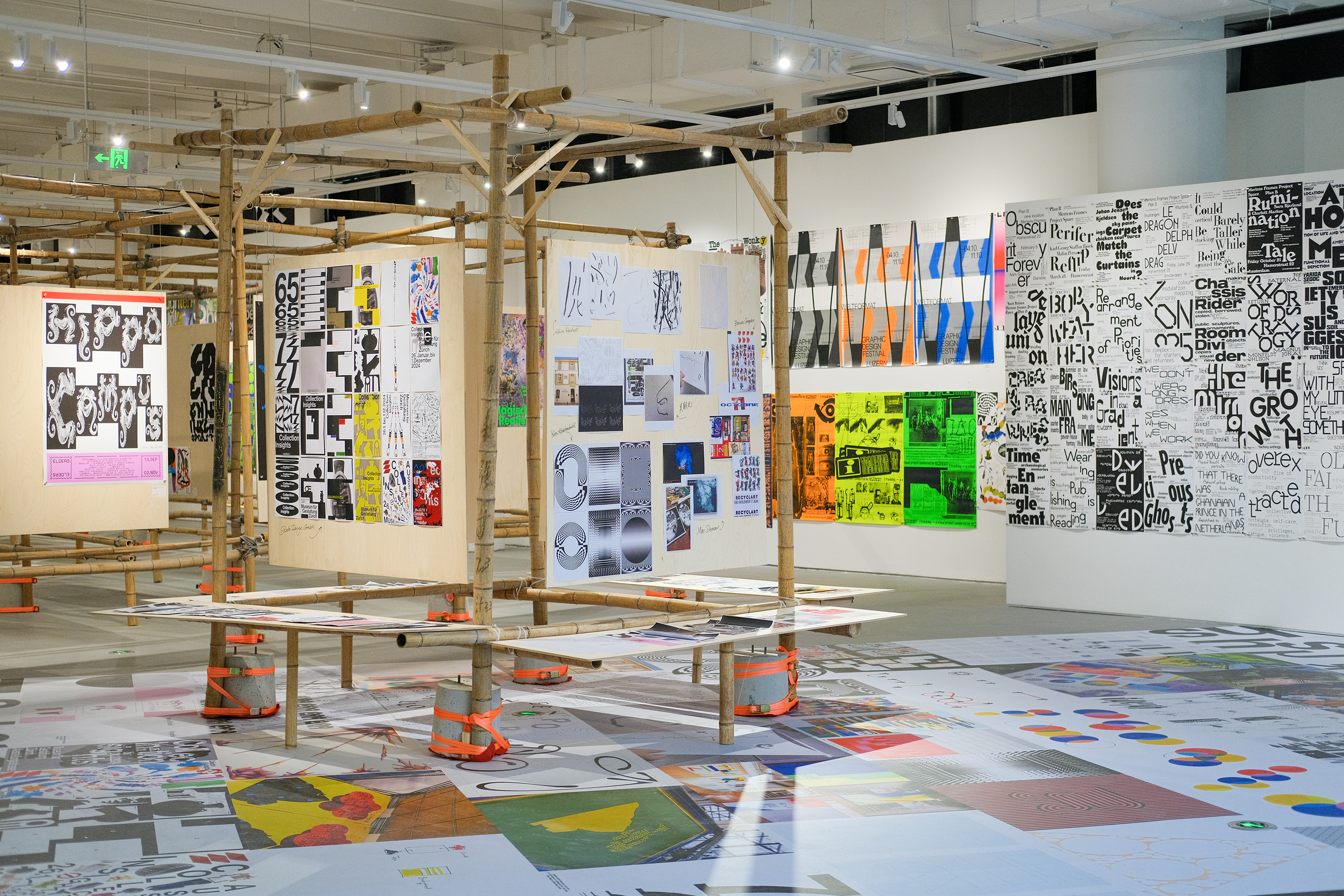
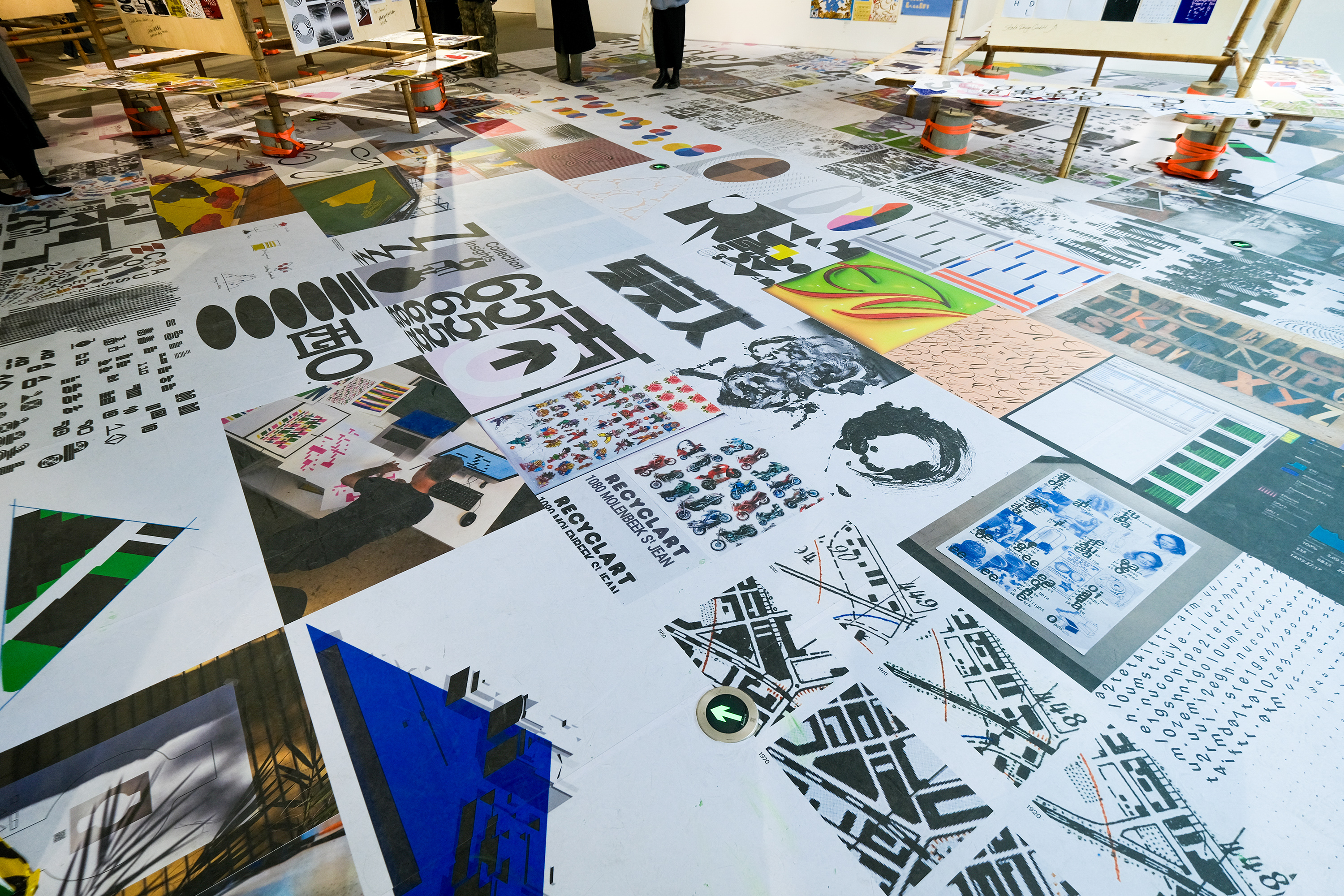
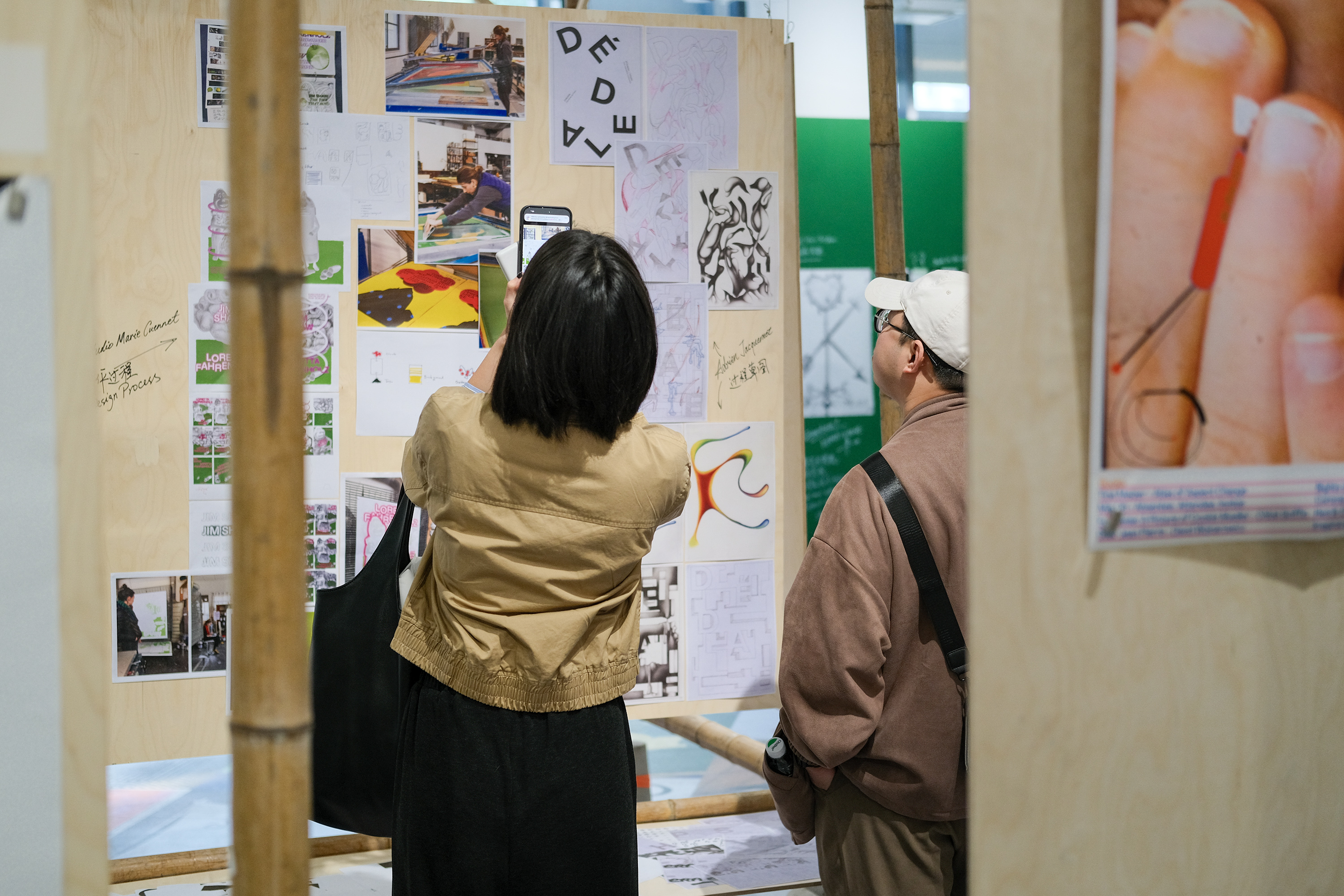
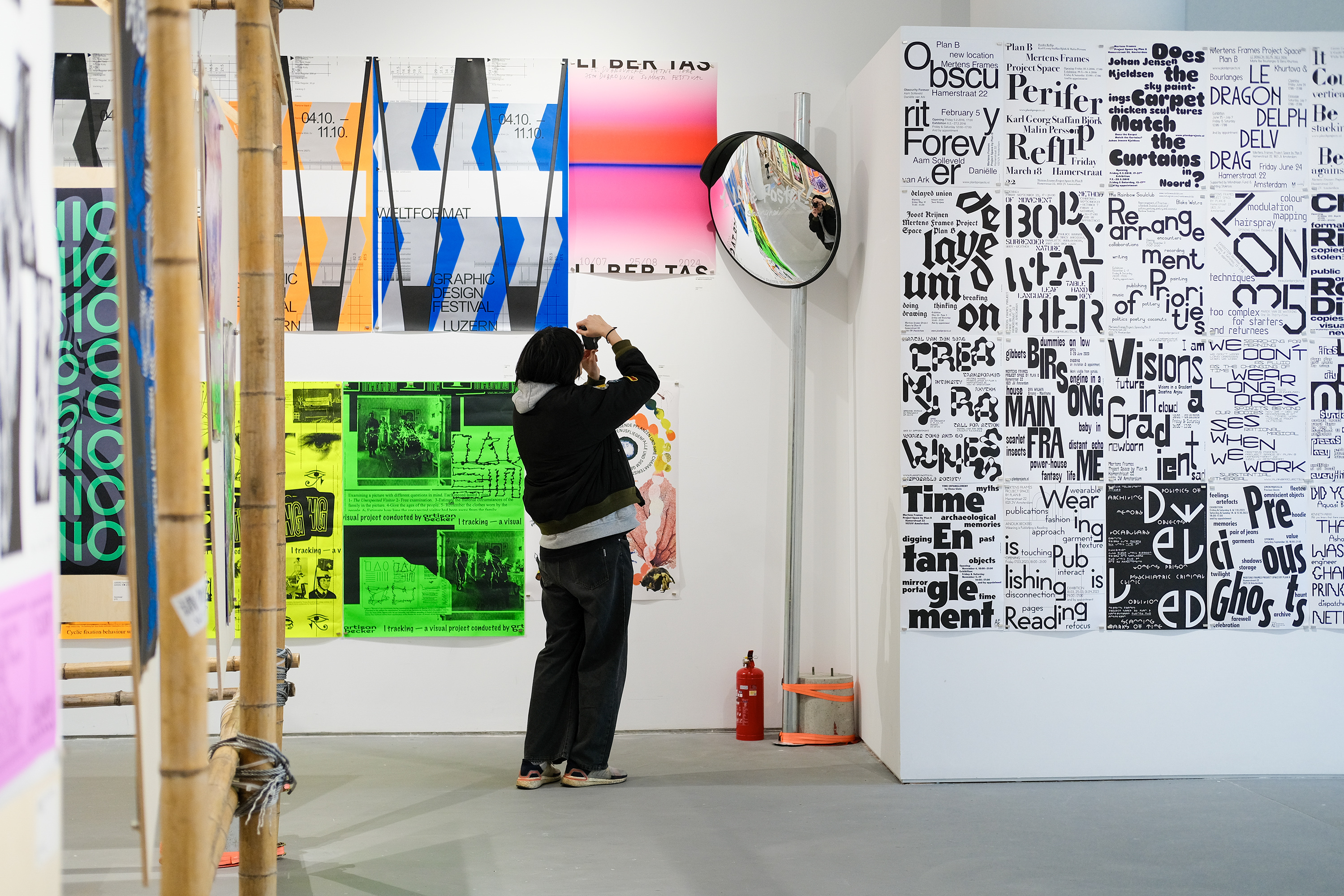
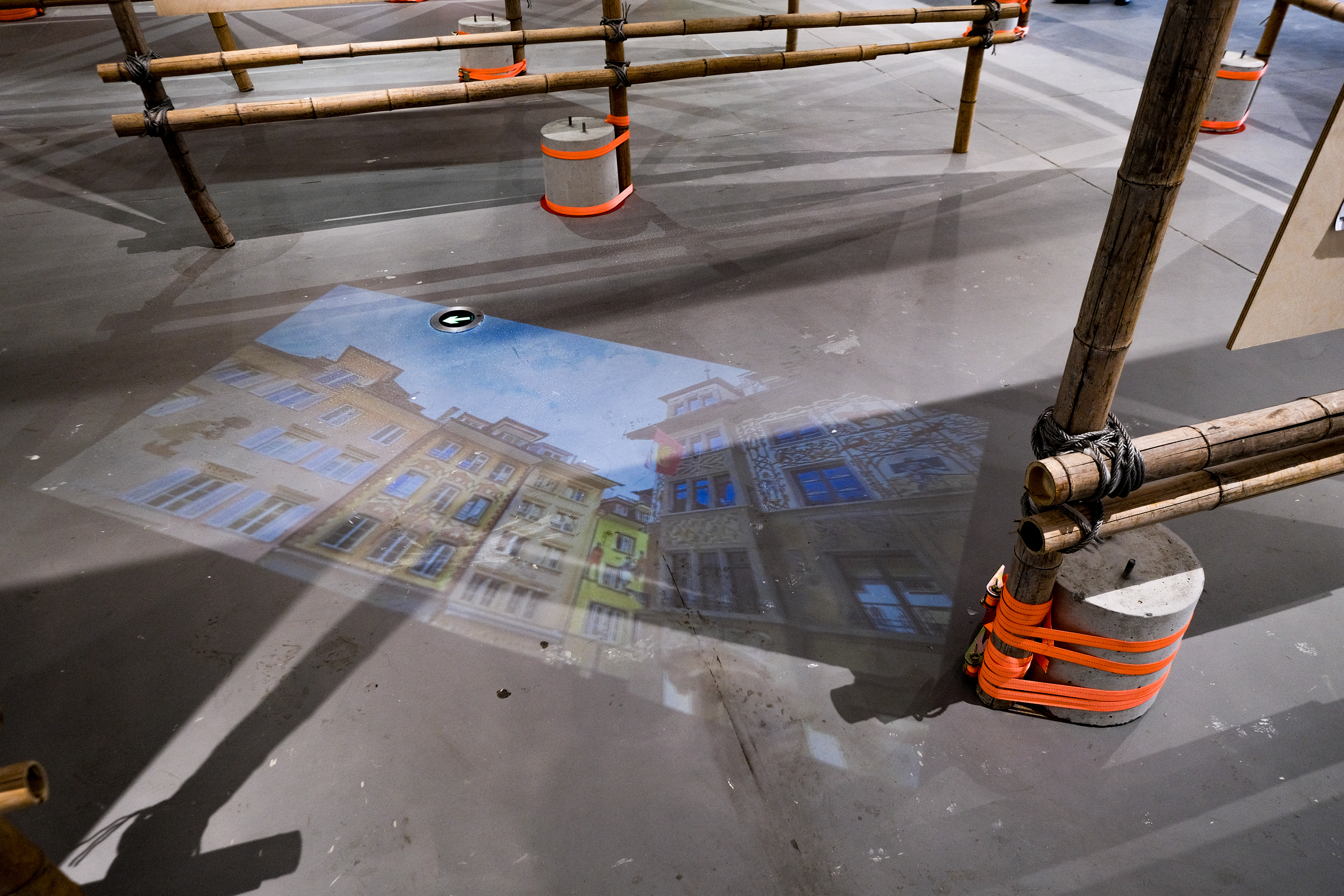
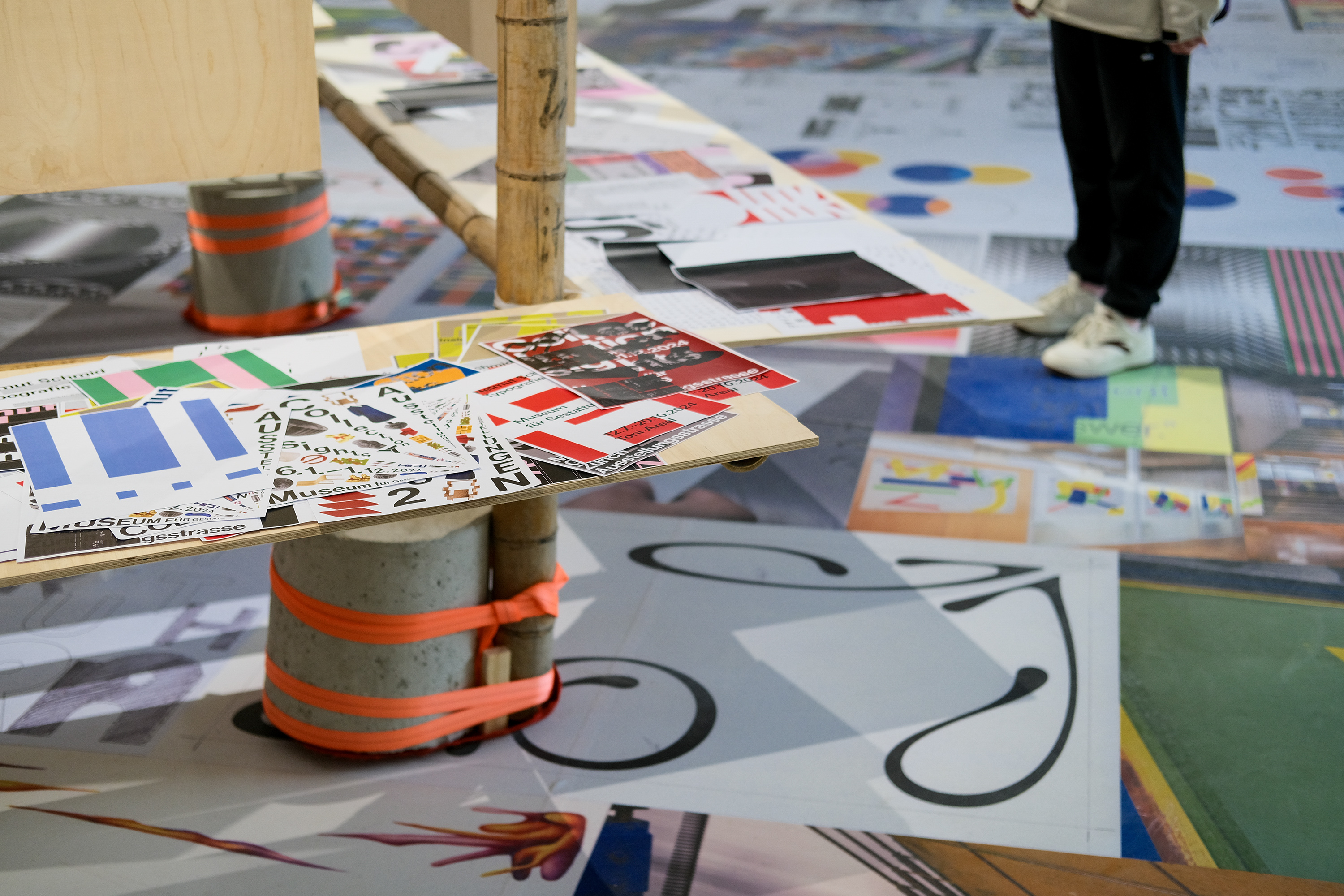
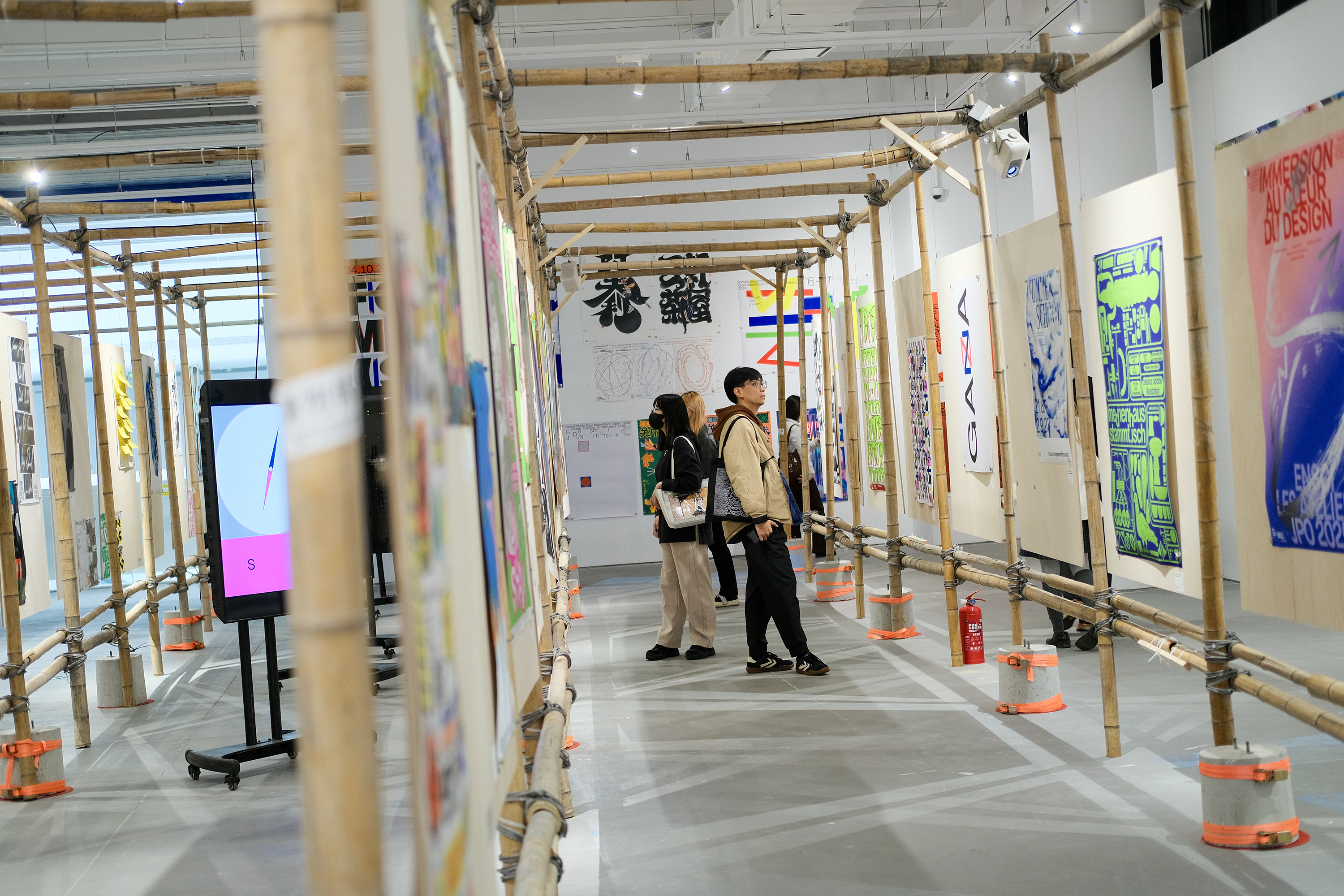
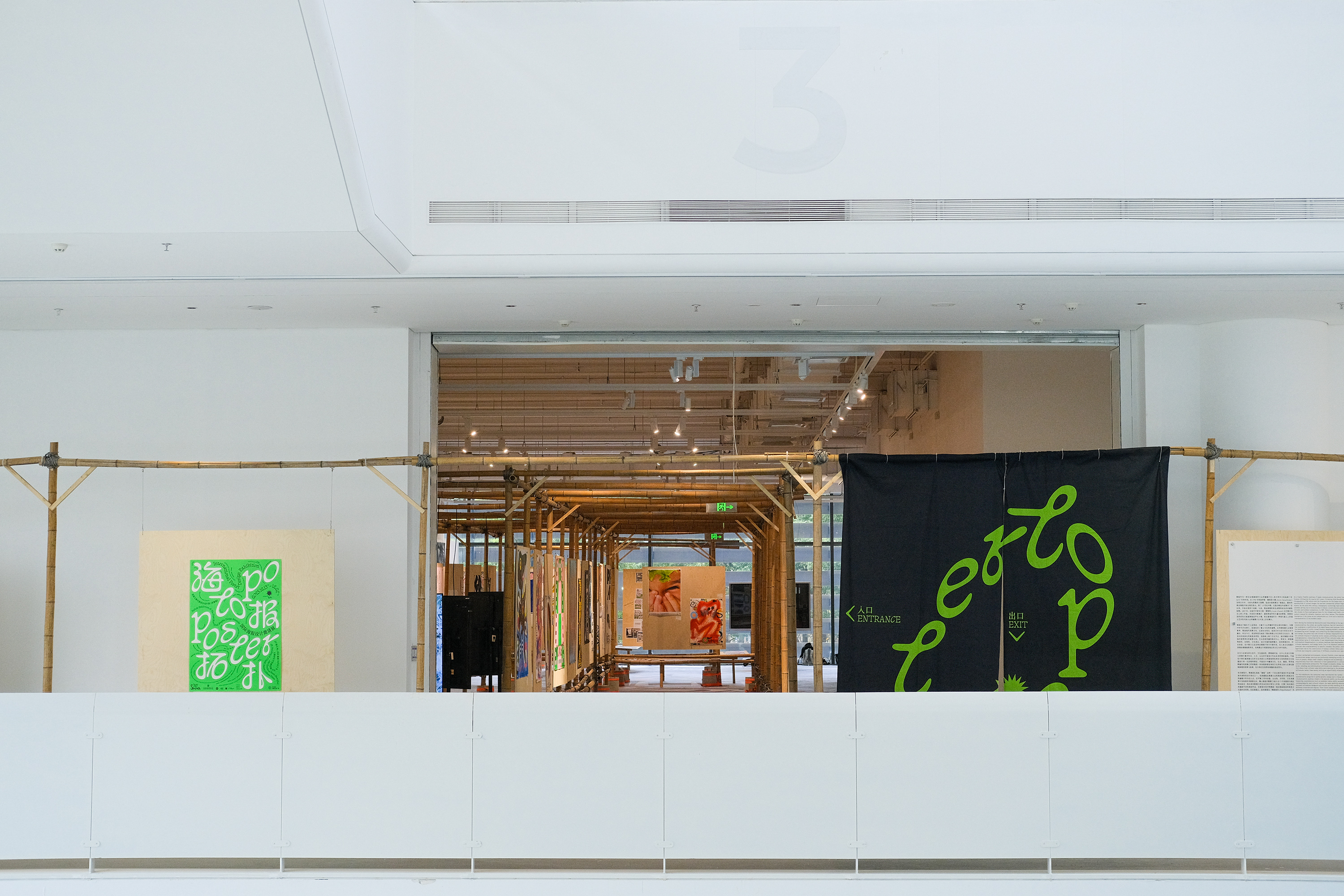
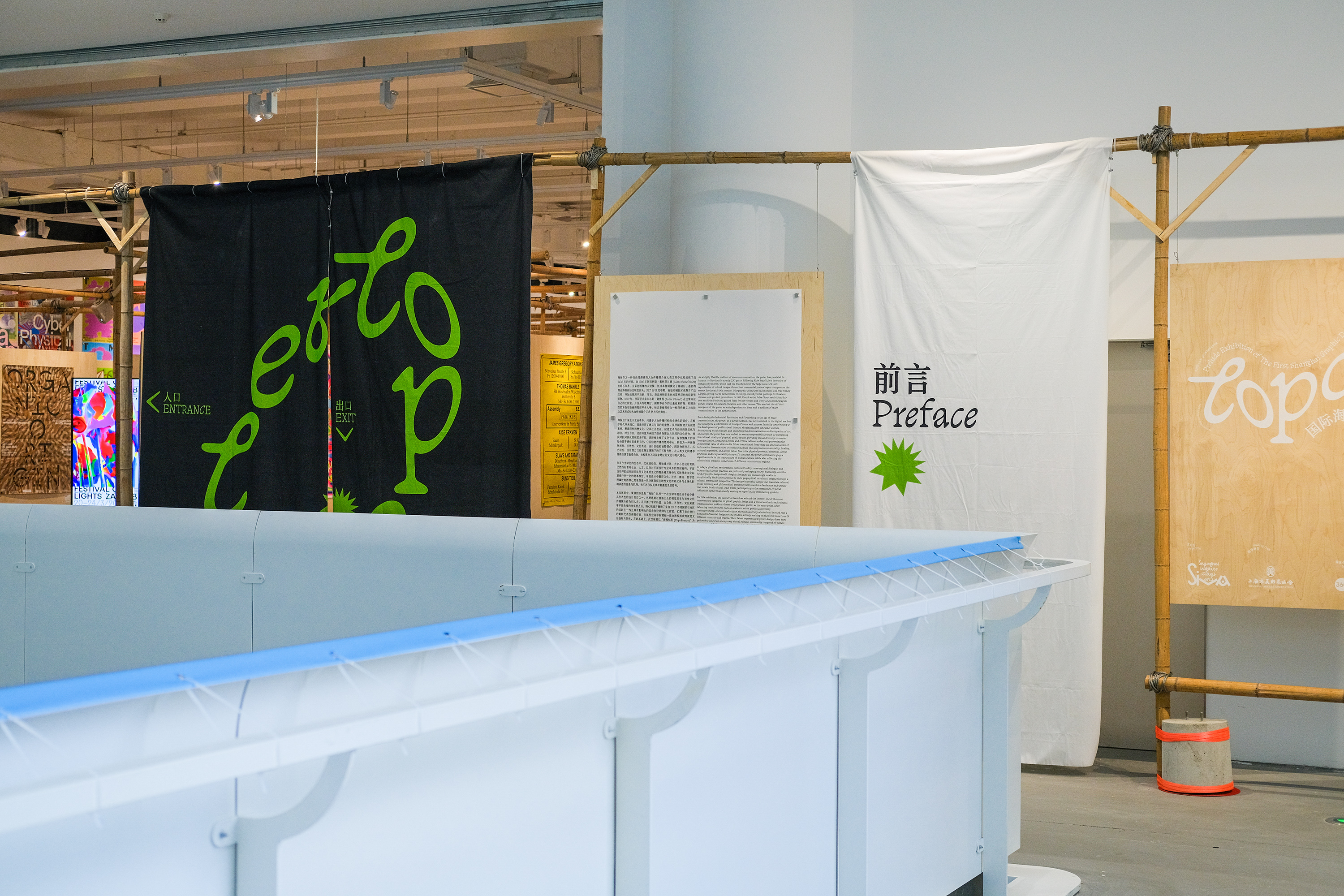
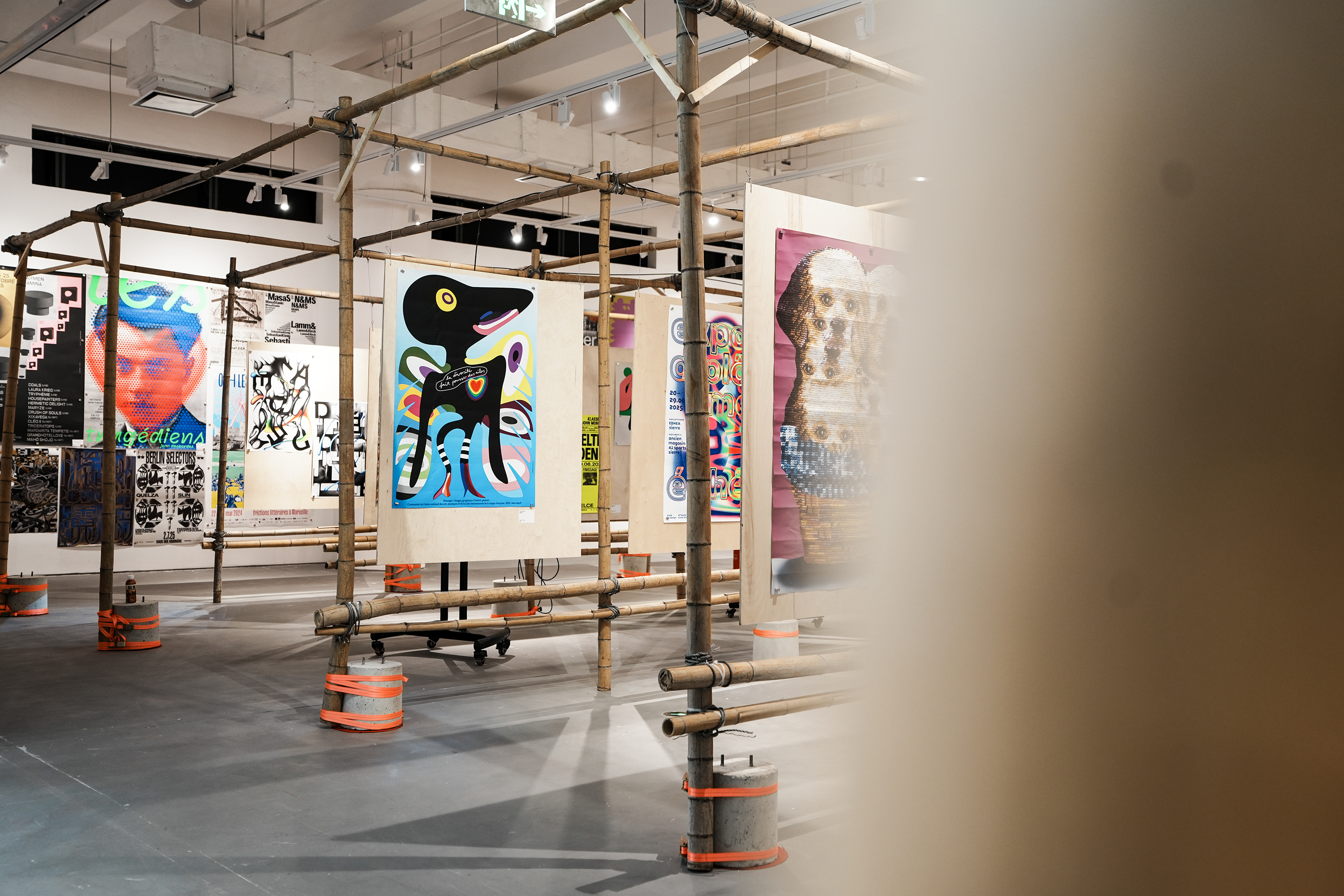
此次展览作为近年来在中国涵盖国际范围作品甄选且规模较大的展览,共计收录来自全球 28 个国家的 153 位活跃在一线且具有影响力的当代设计师的 300 余件最新代表性海报设计作品,以“海报作品——创意与设计过程——主题研究”三大板块的展览内容呈现和“让海报回到街头”的展览呈现理念,为平面设计专业和公众观展体验都带来了创新且与众不同的海报设计展览范式。
展览在向公众免费开放的 10 天展期内,迎来了共计近 20000 人次的现场观众,观众类型涵盖各院校设计学生、专业设计师、艺术设计相关从业者和教育者,以及大量非设计专业或行业的观众的参观。
此次展览作为近年来在中国涵盖国际范围作品甄选且规模较大的展览,共计收录来自全球 28 个国家的 153 位活跃在一线且具有影响力的当代设计师的 300 余件最新代表性海报设计作品,以“海报作品——创意与设计过程——主题研究”三大板块的展览内容呈现和“让海报回到街头”的展览呈现理念,为平面设计专业和公众观展体验都带来了创新且与众不同的海报设计展览范式。
展览在向公众免费开放的 10 天展期内,迎来了共计近 20000 人次的现场观众,观众类型涵盖各院校设计学生、专业设计师、艺术设计相关从业者和教育者,以及大量非设计专业或行业的观众的参观。
As the prelude exhibition of The First Shanghai Graphic Design Biennale, "TopoPoster: International Poster Design Exhibition" was successfully held from December 13 to December 22, 2025, following six months of meticulous planning and preparation. Organized by Shanghai Institute of Visual Arts (SIVA), the exhibition was jointly curated by the co-founders of the Shanghai Graphic Design Biennale and its curators: Duan Zhihua, Founding Partner & Design Principal of Pocca; Xu Yibing, Professor at the School of Future Design, Shanghai Institute of Visual Arts; and Lu Junyi, an esteemed design media professional. Pocca took full responsibility for the exhibition’s diverse practical aspects, including graphic design, motion design, content curation, editorial design, exhibition design (in collaboration with Threshold Design), social media design and management, website design, and book & editorial design.
As one of the largest exhibitions in China in recent years to feature an international selection of works, the exhibition showcased over 300 representative contemporary poster designs by 153 influential designers from 28 countries. Through its three main sections—“Poster Works”, “Creative and Design Processes”, and “Thematic Research”— and guided by the exhibition philosophy of “Bringing Posters Back to the Streets”, it introduced an innovative and distinctive paradigm for poster design exhibitions, offering a fresh experience for both graphic design professionals and the general public.
During the 10-day exhibition period, which was open to the public free of charge, it attracted nearly 20,000 visitors on-site. The audience included design students from various institutions, professional designers, practitioners and educators in art and design fields, as well as a significant number of visitors from non-design backgrounds or industries.
As one of the largest exhibitions in China in recent years to feature an international selection of works, the exhibition showcased over 300 representative contemporary poster designs by 153 influential designers from 28 countries. Through its three main sections—“Poster Works”, “Creative and Design Processes”, and “Thematic Research”— and guided by the exhibition philosophy of “Bringing Posters Back to the Streets”, it introduced an innovative and distinctive paradigm for poster design exhibitions, offering a fresh experience for both graphic design professionals and the general public.
During the 10-day exhibition period, which was open to the public free of charge, it attracted nearly 20,000 visitors on-site. The audience included design students from various institutions, professional designers, practitioners and educators in art and design fields, as well as a significant number of visitors from non-design backgrounds or industries.
As a highly flexible medium of mass communication, the poster has persisted in human civilization for nearly 200 years. Following Alois Senefelder's invention of lithography in 1796, which laid the foundation for the large-scale, low-cost reproduction of colored images, the earliest commercial posters began to appear on the streets. By the mid-19th century, lithographic technology had matured and was widely adopted, giving rise to monochrome or simply colored printed postings for theaters, circuses, and product promotions. In 1869, French artist Jules Cheret established his own studio in Paris and gained fame for his vibrant and lively colored lithographic posters created for cabarets, theaters, and other venues. This marked the official emergence of the poster as an independent art form and a medium of mass communication in the modern sense.
Born during the Industrial Revolution and flourishing in the age of mass communication, the poster, as a global medium, has not vanished in the digital era but has undergone a redefinition of its significance and purpose. Initially contributing to the development of public visual literacy, shaping modern consumer culture, documenting social changes, and promoting the democratization and integration of art and design, the poster has now evolved to assume responsibilities such as sustaining the cultural vitality of physical public spaces, providing visual diversity to counter homogenization, connecting online and offline cultural nodes, and preserving the experiential value of slow media. It has transitioned from being an absolute center of information dissemination to a unique medium that emphasizes materiality, locality, cultural expression, and design value. Due to its physical presence, historical, design potential, and irreplaceability in specific contexts, the poster continues to play a significant role in the construction of human culture, while also reflecting the cultural and temporal undertones of different countries and regions.
In today's globalized environment, cultural fluidity, cross-regional dialogue, and decentralized design practices are profoundly reshaping society, humanity, and the field of graphic design itself. Graphic designers are increasingly unable to simplistically bind their identities to their geographical or cultural origins through a cultural essentialist perspective. The images in graphic design that translate cultural, social, trending, and philosophical attributes now resemble a landscape and texture that retain local cultural codes while participating in the permeation of global influences, rather than merely serving as superficially stimulating symbols.
For this exhibition, the curatorial team has selected the "poster", one of the most representative categories in global graphic design and a visual aesthetic and cultural communication medium closest to the general public, as the entry point. After balancing considerations such as academic value, public accessibility, contemporaneity, and cultural origins, the team carefully selected and invited over a hundred influential designers and studios actively working on the front lines from 28 different countries and regions. Their latest representative poster designs have been gathered to construct a temporary visual cultural community composed of posters within the exhibition space. Building on this, the exhibition is titled "TopoPoster" borrowing the perspective of topology to invite viewers to explore posters born from diverse cultural backgrounds and individual designers, and to examine their continuously varying yet distinct personal expressions, as well as their "essential structures" that remain unchanged amid the dynamic balance of "globalization and locality". In this era of mutual influence between "global integration" and "local interpretation", the exhibition offers insights into how graphic design responds to contemporary trends and shapes public visual culture through posters.
Born during the Industrial Revolution and flourishing in the age of mass communication, the poster, as a global medium, has not vanished in the digital era but has undergone a redefinition of its significance and purpose. Initially contributing to the development of public visual literacy, shaping modern consumer culture, documenting social changes, and promoting the democratization and integration of art and design, the poster has now evolved to assume responsibilities such as sustaining the cultural vitality of physical public spaces, providing visual diversity to counter homogenization, connecting online and offline cultural nodes, and preserving the experiential value of slow media. It has transitioned from being an absolute center of information dissemination to a unique medium that emphasizes materiality, locality, cultural expression, and design value. Due to its physical presence, historical, design potential, and irreplaceability in specific contexts, the poster continues to play a significant role in the construction of human culture, while also reflecting the cultural and temporal undertones of different countries and regions.
In today's globalized environment, cultural fluidity, cross-regional dialogue, and decentralized design practices are profoundly reshaping society, humanity, and the field of graphic design itself. Graphic designers are increasingly unable to simplistically bind their identities to their geographical or cultural origins through a cultural essentialist perspective. The images in graphic design that translate cultural, social, trending, and philosophical attributes now resemble a landscape and texture that retain local cultural codes while participating in the permeation of global influences, rather than merely serving as superficially stimulating symbols.
For this exhibition, the curatorial team has selected the "poster", one of the most representative categories in global graphic design and a visual aesthetic and cultural communication medium closest to the general public, as the entry point. After balancing considerations such as academic value, public accessibility, contemporaneity, and cultural origins, the team carefully selected and invited over a hundred influential designers and studios actively working on the front lines from 28 different countries and regions. Their latest representative poster designs have been gathered to construct a temporary visual cultural community composed of posters within the exhibition space. Building on this, the exhibition is titled "TopoPoster" borrowing the perspective of topology to invite viewers to explore posters born from diverse cultural backgrounds and individual designers, and to examine their continuously varying yet distinct personal expressions, as well as their "essential structures" that remain unchanged amid the dynamic balance of "globalization and locality". In this era of mutual influence between "global integration" and "local interpretation", the exhibition offers insights into how graphic design responds to contemporary trends and shapes public visual culture through posters.
海报作为一种自由度颇高的大众传播媒介在人类文明中已经延续了近 200 年的时间。自 1796 年阿洛伊斯·塞纳菲尔德 (Alois Senefelder) 发明石印术,为彩色图像的大规模、低成本复制奠定了基础后,最初的商业海报开始出现在街头。到了 19 世纪中期,石版印刷技术成熟并广泛应用,开始出现用于戏剧、马戏、商品推销的单色或简单彩色的印刷张贴物。1869 年,法国艺术家朱尔斯·谢雷特 (Jules Cheret) 在巴黎开设自己的工作室,并因其为歌舞厅、剧院等创作的大量色彩鲜艳、构图活泼的彩色石版画海报而声名大噪,标志着海报作为一种现代意义上的独立艺术形式和大众传播媒介正式登上历史舞台。
海报这个诞生于工业革命、兴盛于大众传播时代的全球化的媒介,在数字时代并未消亡,而是经历了意义与目的的重塑。从早期构建大众视觉素养、塑造现代消费文化、记录社会变迁、促进艺术与设计的民主化与融合,时至今日,进而转变为承担了维系物理公共空间的文化活力、提供对抗同质化的视觉多样性、连接线上线下文化节点、保存慢媒介的体验价值等责任的重要手段。它从信息传播的绝对中心,转变为一种强调物质性、在地性、文化表达、设计价值的独特媒介,因其物理存在、历史积淀、设计潜力以及在特定情境下的不可替代性,在人类文化构建中持续扮演着重要角色,也构建出不同国家的文化与时代底色。
在当今全球化的生态中,文化流动性、跨地域对话、去中心化设计实践已然践行着对社会、人文,以及对平面设计专业本身的深刻重构。平面设计师们越来越无法用文化本质主义的视角将其身份与其地理或文化起源进行单一化的简单绑定,平面设计中翻译文化、社会、潮流、哲学思辨属性的图像已然更像是一块块既保留在地性文化符码又参与全球化影响渗透的图景与肌理,也不再仅仅是带有刺激的表层符号。
本次展览中,策展团队选取“海报”这样一个在全球平面设计专业中最具代表性的设计类目之一,也是最贴近普通大众的视觉美学与视觉文化传播媒介作为切入点,在平衡了学术价值、公众性、当代性、文化来源等不同角度的考察要点后,精心挑选并邀请了来自 28 个不同国家与地区的活跃在一线且具有影响力的百余位设计师与工作室,汇聚了来自他们的最新代表性海报作品,在展览空间中构建起一座由海报组成的视觉文化临时共同体。在此基础上,此次展览以“海报拓扑 (TopoPoster)”为题,挪用拓扑学 (Topology) 的视角,邀请观众一同游览诞生于不同文化背景和不同设计师个体中的海报,并探索这些海报之间持续变化且具有差异的个性表达,以及其在“全球化与在地性”动态平衡的流动之中所不变的“本质结构”。在这种“全球化融合”与“在地性演绎”相互影响的时代中,通过海报体察平面设计实践对时代风尚的回应以及对大众视觉文化的塑造。
海报这个诞生于工业革命、兴盛于大众传播时代的全球化的媒介,在数字时代并未消亡,而是经历了意义与目的的重塑。从早期构建大众视觉素养、塑造现代消费文化、记录社会变迁、促进艺术与设计的民主化与融合,时至今日,进而转变为承担了维系物理公共空间的文化活力、提供对抗同质化的视觉多样性、连接线上线下文化节点、保存慢媒介的体验价值等责任的重要手段。它从信息传播的绝对中心,转变为一种强调物质性、在地性、文化表达、设计价值的独特媒介,因其物理存在、历史积淀、设计潜力以及在特定情境下的不可替代性,在人类文化构建中持续扮演着重要角色,也构建出不同国家的文化与时代底色。
在当今全球化的生态中,文化流动性、跨地域对话、去中心化设计实践已然践行着对社会、人文,以及对平面设计专业本身的深刻重构。平面设计师们越来越无法用文化本质主义的视角将其身份与其地理或文化起源进行单一化的简单绑定,平面设计中翻译文化、社会、潮流、哲学思辨属性的图像已然更像是一块块既保留在地性文化符码又参与全球化影响渗透的图景与肌理,也不再仅仅是带有刺激的表层符号。
本次展览中,策展团队选取“海报”这样一个在全球平面设计专业中最具代表性的设计类目之一,也是最贴近普通大众的视觉美学与视觉文化传播媒介作为切入点,在平衡了学术价值、公众性、当代性、文化来源等不同角度的考察要点后,精心挑选并邀请了来自 28 个不同国家与地区的活跃在一线且具有影响力的百余位设计师与工作室,汇聚了来自他们的最新代表性海报作品,在展览空间中构建起一座由海报组成的视觉文化临时共同体。在此基础上,此次展览以“海报拓扑 (TopoPoster)”为题,挪用拓扑学 (Topology) 的视角,邀请观众一同游览诞生于不同文化背景和不同设计师个体中的海报,并探索这些海报之间持续变化且具有差异的个性表达,以及其在“全球化与在地性”动态平衡的流动之中所不变的“本质结构”。在这种“全球化融合”与“在地性演绎”相互影响的时代中,通过海报体察平面设计实践对时代风尚的回应以及对大众视觉文化的塑造。